Healthcare app design for patient and clinician apps

Health apps people trust. On the first tap.

Mara designs healthcare apps for healthtech teams: patient apps, clinician tools, booking, mental health and AI care companions on iOS, Android and the web. We research with patients and clinicians, design onboarding, consent and every clinical state, and check WCAG 2.1 AA. A first release takes 6–10 weeks, with previews every 24–48 hours.

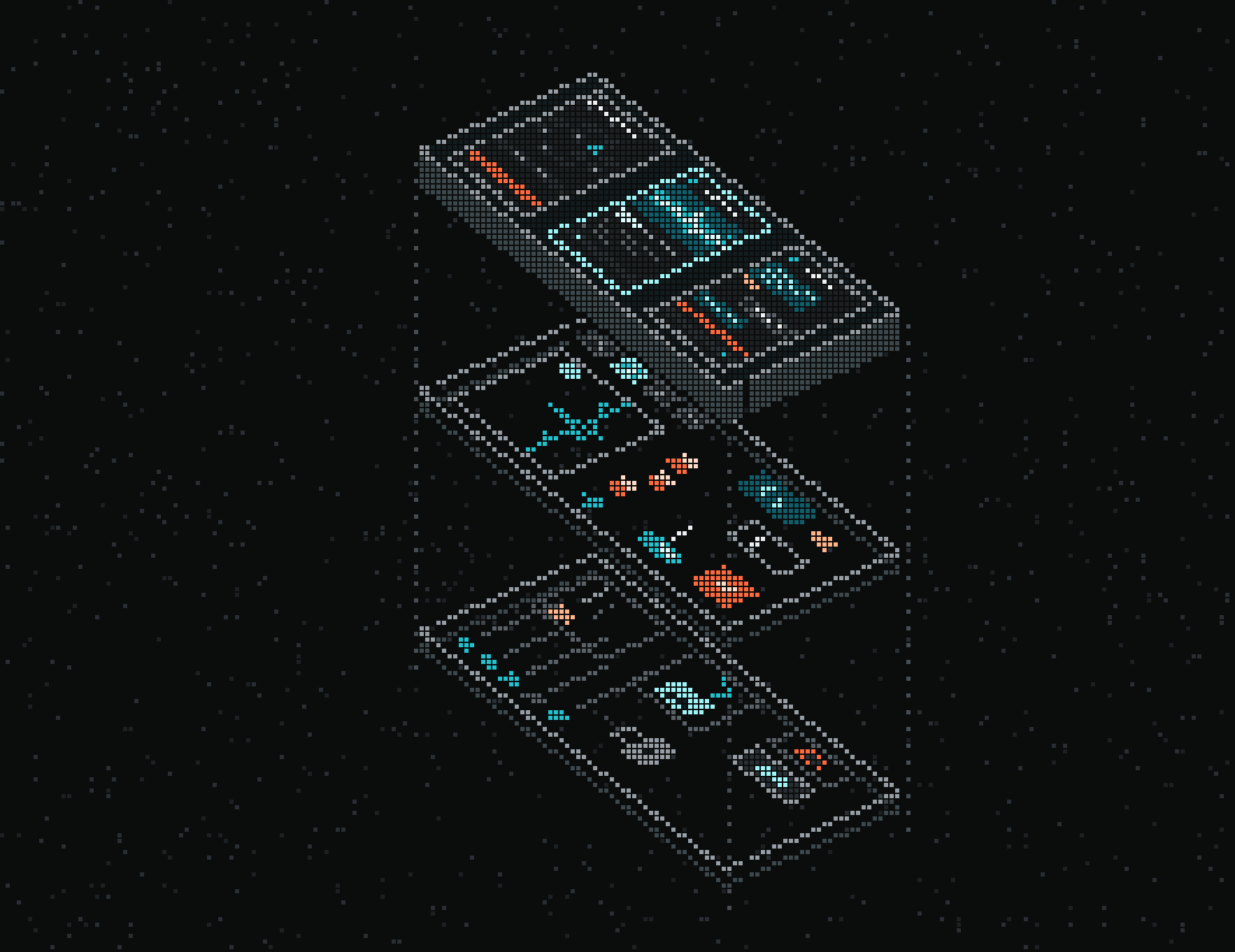
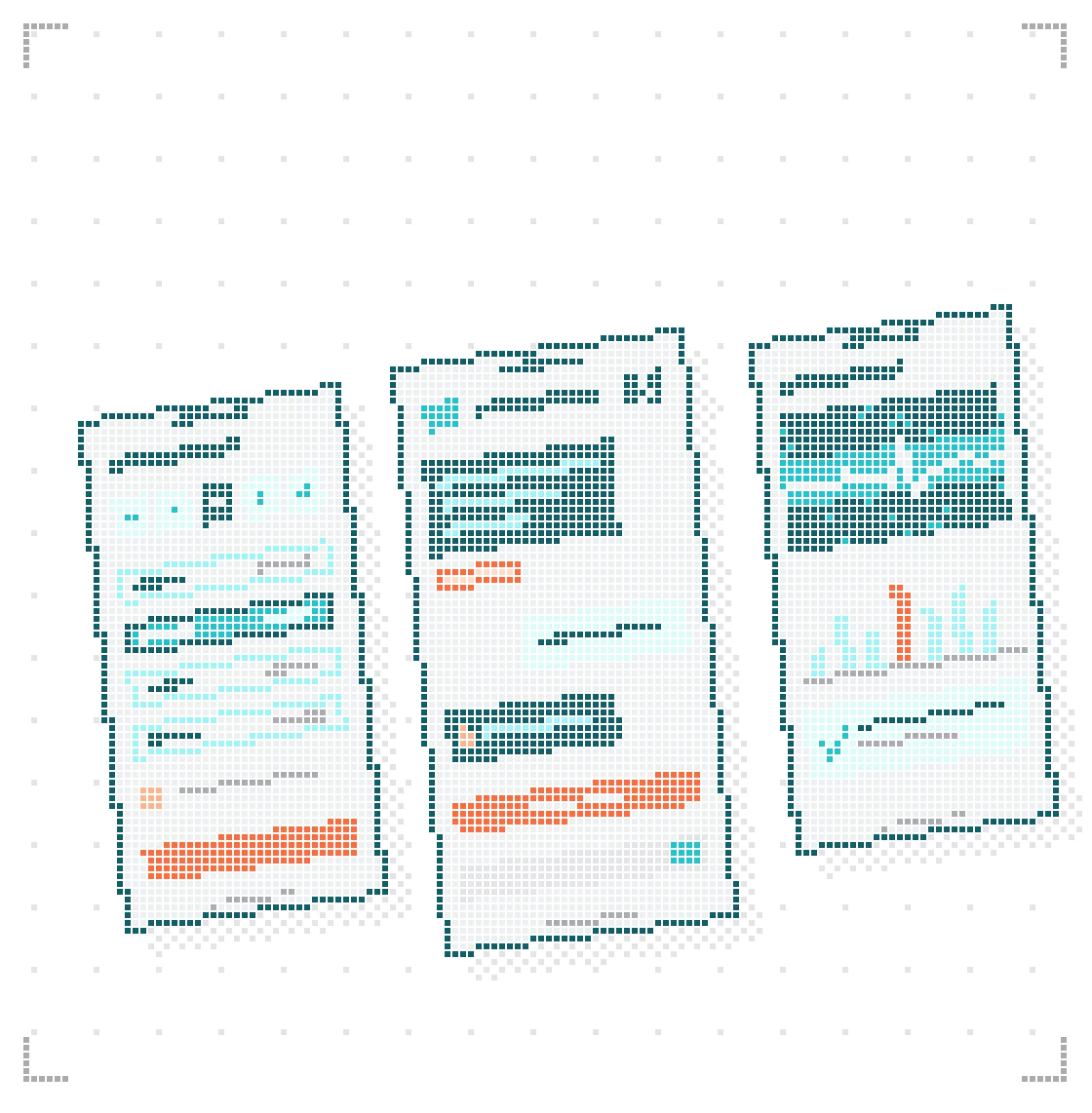
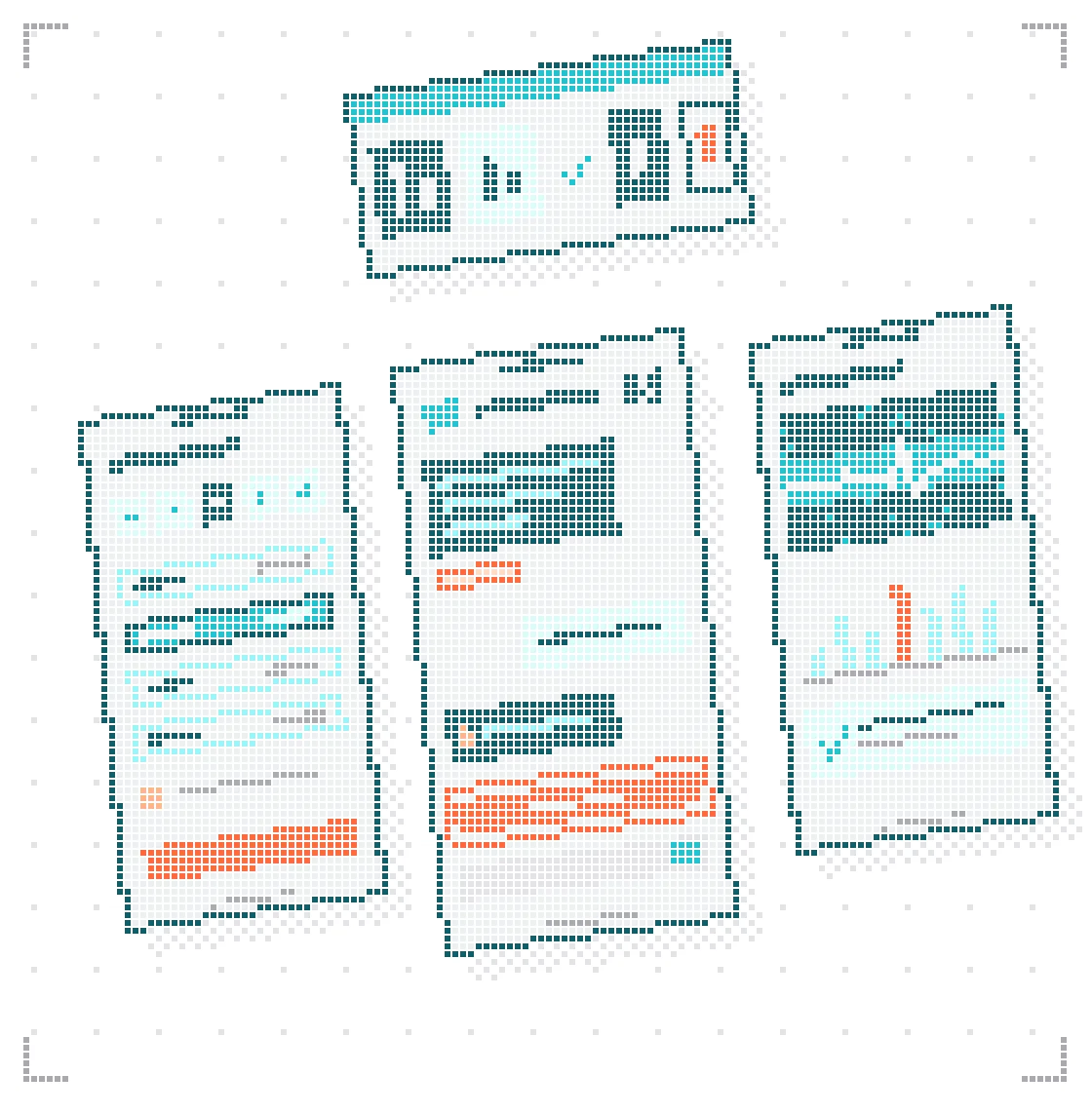
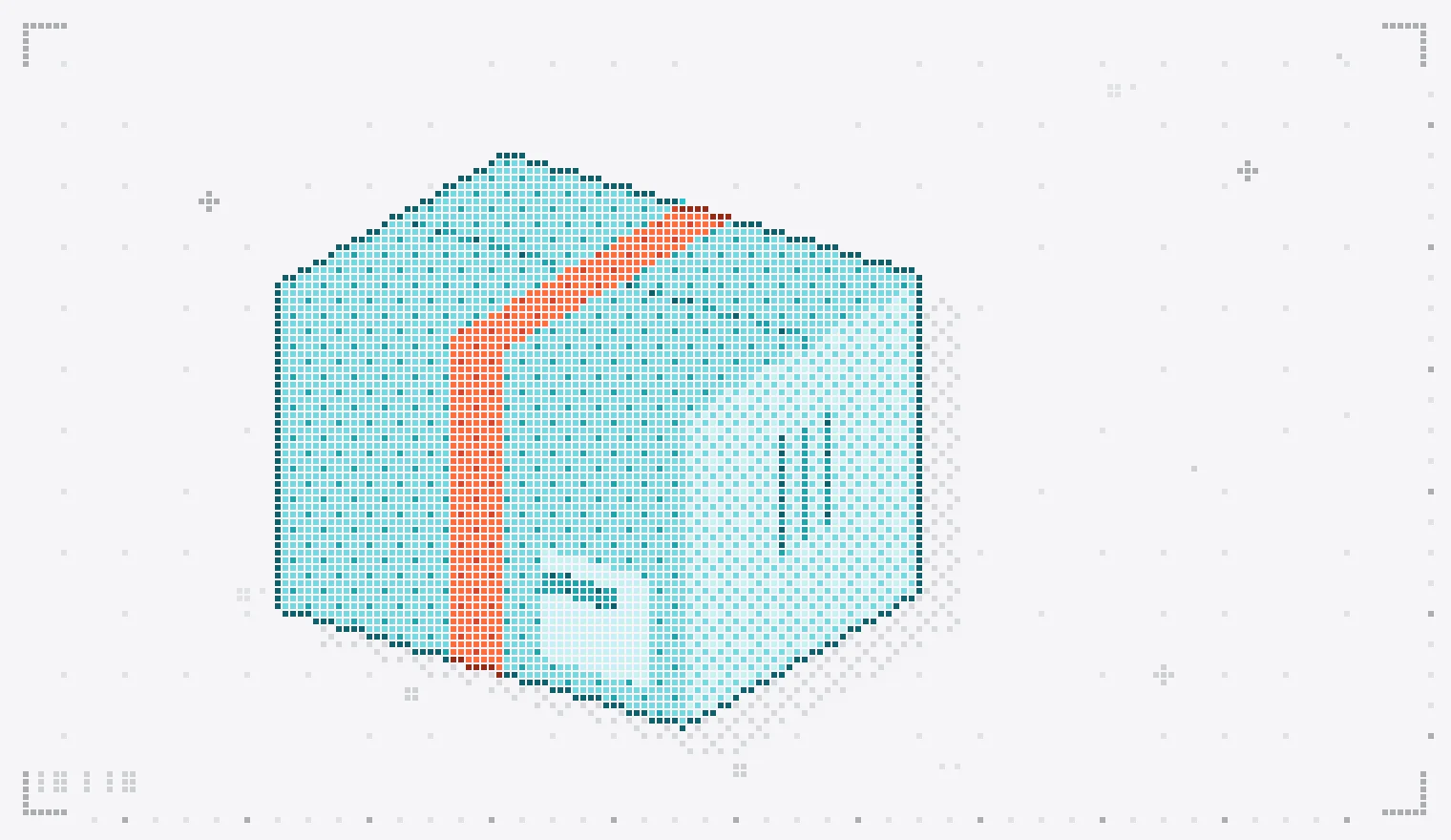
Isometric pixel illustration of a patient app exploded into three stacked layers: phone screens for booking, vitals and a care companion chat; components such as slot chips, an ECG strip and a consent toggle; and a consent log, a lock and the two app stores.

A healthcare app with Mara

Who it’s forHealthtech founders and product teams building a patient app, a clinician tool or a health AI product
What we designPatient apps, booking and telehealth, mental health apps, AI care companions, clinician and clinic tools
PlatformsiOS, Android and web apps on one design system
Timeline6–10 weeks to a first release or pilot, previews every 24–48 hours
What we design toWCAG 2.1 AA, HIPAA and GDPR as design inputs, App Store and Google Play health rules
PriceFixed price after a 30-minute call. Monthly plans, and a paid sample if you want to test us first.
Healthcare clientsDelphyr, Joji Health, Boom, Moru, ClinicSaver, AliveDx

Healthcare clients

Three healthcare apps,step by step.

A clinician tool, a patient app and a clinic system: the problem, what research showed, the decision that shaped the app, the main flow and what the client kept.

  1. Clinicians in hospitals, primary care and mental health dig through scattered records and draft notes themselves. Delphyr’s AI agents work inside the systems they already use. The product had to win over busy, careful doctors.

    What you keep

    • Product strategy
    • Clinical context
Delphyr
  1. Problem
  2. Research
  3. Decision
  4. Flow
  5. Handoff
frame

An AI assistant that works inside clinical systems and finds patient information in seconds.

Read the case study →: Delphyr

The design call behind each app

In each of these apps, one decision about trust shaped the rest of the design.

AppWho uses itPlatformThe trust decision
DelphyrClinicians in hospitals, primary care and mental healthAI assistant inside clinical systemsEvery AI answer links to its source
BoomStudents, and the universities that pay for itMobile app and campus dashboardCampuses see trends, never a single student
MoruDoctors, nurses and front-desk staffClinic systemOne view per role, on shared data
ClinicSaverPatients booking private clinics in the UAEiOS and Android, live in both storesOnboarding asks one question: which service you need

Joji Health and AliveDx are healthcare clients too; the Joji Health case study is coming soon. Some of our healthcare work is under NDA.

Who we work with

  • First release

    “We have a prototype and a pilot clinic. Now it has to work for real patients.”

    We design onboarding, consent and the core flows, test them with real users and hand your developers screens they can ship.

    Idea → First release · For founders building a first patient or clinician app · Pre-seed · Seed · Spin-offs · 6–10 weeks to a first release

  • Growth stage

    “People download the app, book once and never come back.”

    We find where people drop off, redesign onboarding, reminders and the daily loop, and test the fix before it ships.

    Live app → Better app · For live apps that lose people after the first week · Seed · Series A · Series B · Phased redesign or monthly plan

  • Production stage

    “We built it in a few weekends. Now a clinic wants to pilot it.”

    We review data handling, consent, roles and edge cases, redesign the flows and give your engineers a design system to rebuild on.

    AI prototype → Production · For teams with an app built in Lovable, Bolt or Cursor · Pre-seed · Seed · Pilots · Starts with a review of the app

Medical app, health app or clinician tool?

People say “medical app design” for four different jobs. Each needs different research, different screens and different tests. Most products touch two of them.

  • Patient and consumer health apps

    Booking, results, medication, mental health and wellness. People open these when they are worried, tired or in pain, and many are older or use assistive tech. The work comes down to plain words, large targets, few steps and an easy way to reach a person. In Boom, students talk instead of type on a low-energy day.

  • Clinician and clinic apps

    A nurse or a doctor opens these between patients, with a minute to spare. Every extra tap costs care time, and alerts that fire too often get ignored. We design around the working day: a view per role, the next action first, alerts only for what changes a decision. Moru gives each role its own view of one clinic system.

  • Health AI and care companions

    The main risk is a wrong answer that sounds sure, so every answer needs its source, its limits and a route to a person. We design the unsure, refused and urgent states as carefully as the happy path. More on this on our AI design agency page.

  • Software that may be a medical device

    If the app diagnoses or guides treatment, the FDA may treat it as a device. Then the design needs a paper trail of users, critical tasks and risks. Your regulatory lead decides what you file. Our healthcare UX and product design page covers that process.

Building an app outside healthcare? See our mobile app design service.

What a healthcare app has to get right.

Healthcare app design covers the screens a patient opens at home and the ones a clinician opens between appointments. Pick what you need. We agree on the exact scope before we start.

05 / 05Ready to ship: Pixel-art accessibility panel with contrast samples, a tick and two app store tiles above three phones

Build your scope

Your counsel decides which rules apply. We make those decisions easy to follow on a small screen.

RuleWhere it shows up in an appWhat we do in design
HIPAAApps that handle patient data for a clinic, a health plan or their vendorsCollect only what a task needs. Roles, timeouts, access logs and safe notifications from the first sprint.
FTC Health Breach Notification RuleConsumer health apps outside HIPAASharing health data without permission can count as a breach. We keep it out of ad and analytics tools and make each share a clear choice.
GDPRApps used by people in the EUHealth data is a special category. Separate consent per purpose, easy to withdraw, plus data access and deletion in the app.
WCAG 2.1 AA and the HHS Section 504 ruleApps of organizations that get federal health fundingContrast, text size, focus order, labels and screen-reader names checked in design and before handoff. The rule’s deadline for organizations with 15 or more staff is May 11, 2027.
App Store Review GuidelinesiOS apps with health featuresAccuracy claims backed by data, no HealthKit data in ads or iCloud, account deletion inside the app.
Google Play Health apps policyAndroid appsEvery app files a Health apps declaration. We list the health features you declare and the screens that use them.

Rules for websites, analytics and ad pixels are on our healthcare website design page.

( One system for patient and clinician apps )

The app ships. The rules stay written down.

With the screens, you get the system behind them: components, tokens and written rules for health data. New features, built by your team or its AI tools, start from patterns that were already tested.

Clinicians still review each new clinical feature before it ships.

Talk about your app
  • Health components

    Vitals cards, slot pickers, medication lists and chat bubbles, with every state.

  • Accessible tokens

    Colour, type and spacing that pass WCAG AA and grow with the phone’s text size.

  • Privacy rules

    What each screen, role and notification may show, written down once.

  • Platform rules

    Where iOS, Android and web share a pattern, and where each follows its own.

Five patterns we use in healthcare apps

What makes a health app feel safe? In our projects it came down to a handful of small decisions made early.

Ask one question first

Sign-up forms lose people before they see any value. ClinicSaver’s onboarding asks one thing: which service you need. The account comes later, when booking needs it.

One consent, one decision

Each use of data gets its own switch in plain words: reminders, research, sharing with a doctor. The same screen stays in settings, so people can change their mind.

Notifications that keep secrets

“Your results are ready” is enough on a lock screen. The result, the diagnosis and the clinic name stay inside the app, behind a login.

Numbers with a meaning

A reading on its own scares people. Show the normal range, the trend over weeks and one clear next step. Then check the wording with a clinician.

A way to reach a person

Every flow keeps a route to a human: call the clinic, message the team, or get urgent help. Older patients and worried ones look for it first.

( Why teams pick us )

Most of our clients come back.

A healthcare app design company for health startups, scaleups and providers in the US, Europe, the Middle East and Asia-Pacific.

  • Earned by clients$200M+
  • Companies100+
  • Years shipping4+
  • Clients who come back65%

From the first call to an app people use.

Five stages, each with a clear result. A first release usually takes 6–10 weeks, with previews every 24–48 hours.

Pixel-art notepad and pencil

01 / DiscoverWeek 1

Who opens the app, and why.

We go through your users, your stage and your limits. Your compliance lead joins early, so we know what the design has to respect.

You get

  • Users and roles
  • Compliance notes
  • Release goal
Pixel-art compass with a dotted route

02 / ResearchWeeks 1–2

Real patients, real clinicians.

Interviews and quick tests with the people who will use the app, including older users and people on assistive tech when they are part of your audience.

You get

  • Interview notes
  • Flow map
  • Priority flows
Pixel-art colour swatches

03 / DesignWeeks 2–6

Every state, errors included.

Flows first, then visual design for each state: empty, loading, offline, error, urgent. Accessibility is checked as we go.

You get

  • Screen designs
  • All states
  • Accessibility checks
Pixel-art magnifying glass

04 / TestWeeks 4–8

Tried on real phones.

Clickable prototypes on people’s own phones. We fix what confused them and test the fix.

You get

  • Prototype
  • Usability findings
  • Revised flows
Pixel-art parcel, packed and ready

05 / HandoffWeeks 6–10

Ready to build.

Specs, components and a design system for iOS, Android and web. We stay available while your developers build.

You get

  • Design system
  • Developer specs
  • Build support

A new app, a redesign, or design every sprint.

Most healthcare app projects start with one of these. Many move on to the next.

  1. 01 / New app

    From prototype to first release

    01 / New healthcare app

    Research, design and testing

    Design the first release.

    For founders with a prototype, a pilot site or a funded idea for a patient or clinician app.

    • Research with patients or clinicians
    • Onboarding, consent and core flows
    • Accessible iOS, Android or web UI
    • Design system and developer handoff
  2. 02 / Redesign

    For live apps

    02 / App redesign

    Fix where people drop off.

    For live apps with low ratings, a drop after the first week, or clinicians who avoid them.

    • UX audit of the live app
    • Redesign of the flows people abandon
    • Accessibility fixes to WCAG 2.1 AA
    • A phased release plan
  3. 03 / Monthly plan

    Ongoing design

    03 / Ongoing design

    Keep releases moving.

    For app teams that ship every sprint and need design that keeps up.

    • New features and screens
    • Updates every 24–48 hours
    • Accessibility checked on every release
    • Design only, or Design + Dev

What healthcare app design costs

Few agencies publish healthcare app prices. The ones that do price by scope: design only or design and build, how many user roles, and whether the software is regulated. Check what a number includes.

ScopePublished price or time
UX and UI design for a healthcare app, design onlyAbout $50,000–250,000, 14–24 weeks
Basic MVP, design and buildAbout $15,000–40,000, 8 weeks to 4 months
Larger app, design and build$70,000–130,000+ over 6–9 months
Patient portal or regulated software, end to end6–12 months for portals and unregulated apps, 12–24+ months for regulated software
Hourly ratesAbout $25–325 an hour, often with project minimums from $50,000
With MaraFixed price in writing after a free 30-minute call. A first release in 6–10 weeks. A paid sample or a trial week if you want to test us first.

( Hear it from our clients )

Trusted by 100+ companies to design, build and raise.

From first sketch to acquisition, a few of the teams we’ve built with.

Reviewed onClutch5/5 ratingGoodFirms5/5 rating

  • Lee Silverstone

    We worked with Mara for a year and a half, up to our successful acquisition. We’re very happy with the team — highly professional and instrumental in helping us overcome every challenge along the way.

    Lee Silverstone

    Founder, ZofiQ (acquired by ConnectWise)

    18moAs main design and marketing partner, right up to the acquisition.
  • Michel Abdel Malek

    We brought Mara in as a design partner. They always ask the right questions, challenge decisions when needed, and help us build things that actually make sense, not just look good. Recommend.

    Michel Abdel Malek

    Founder, Delphyr

    12+moFrom zero to a launched product, as their design partner.
  • Matthew James Paterson

    Mara led a strategic redesign across our entire business — from branding to product and marketing. We’re very happy with the results and look forward to continuing our partnership.

    Matthew Paterson

    Founder, Minisport.hk

    8moFull rebrand: brand, two apps, marketing sites and every campaign asset.
  • Termeh Mazhari

    It was nice to cooperate with Mara, very responsive and flexible team!

    Termeh Mazhari

    Content Director, Halborn

    LaunchAssets for the rollout of their new marketing campaigns.

Your product could be the next story.

Let’s talk

( 12 reviews )

What our clients say

  • They helped us to create and optimize our marketing materials and landing pages, which helped us to grow 3 times within a 6-month period. I was particularly impressed by their consistent ability to meet deadlines while maintaining the highest industry standards.

    Viktor SanderCo-Founder, SocialSelf3×
  • Working with Mara feels more like having them on our team than hiring an external partner — they’re proactive, clear in communication, and easy to rely on.

    Alex ValdesCo-Founder, Findevor
  • Mara is exactly the design agency we were looking for. They supported us through every stage of our project — from initial brand ideation to final product launch — handling our brand assets, content creation, and application UI/UX with remarkable expertise. Having a single point of contact for all our design needs improved our workflow, saving us significant time and budget while maintaining consistently high standards.

    Maxime SlemettProduct lead, WeMine
  • Mara delivered the required assets under tight deadlines in a highly professional way. They proactively suggest better solutions, so we never need to guide them.

    Niall CullenCEO, Silo
  • Love to work with Mara. They’re always supportive, organized, and highly professional. When it comes to strategic decisions, they consistently choose the best possible solution.

    Vlad HrynchukCEO, Masterly
  • Mara has a fantastic eye for design, works very collaboratively, and delivers on time and as promised. Highly recommended.

    Michael McEwenCEO, RepFlow
  • We’ve been working closely with Mara for over a year and are very happy with the results!

    Jamie I.F.Founder, Endorsely1yr+
  • I’m really impressed with the work you’ve done on this project. The interface looks clean, modern, and highly intuitive. You’ve managed to balance aesthetics with usability, which makes the product not only visually appealing but also very easy to navigate.

    Sasha KrecinicFounder, SkipUp

Who opens your app, and on what kind of day?

Tell us about your users, your stage and what has to be ready by when. We’ll suggest where to start.

  • Your users and platforms
  • New app, redesign or both
  • A fixed price and the next step
Prefer to write? Send us a brief

Or book through your AI assistant

Mara

Intro project call

Tell us what you’re building, who uses it and any compliance limits. We’ll suggest the scope.

  • 30 min
  • Google Meet


MonTueWedThuFriSatSun

Questions about healthcare app design.

What founders and product leads ask before they hire a healthcare app design company.

  • Healthcare app design is the research, flows and screens of an app that deals with health: booking, results, symptoms, therapy or clinical work. Users may be anxious, unwell or short on time, and a confusing screen can affect their care. The app also holds sensitive data.

  • Agencies publish $50,000–250,000 for a healthcare UX project. Studios that design and build quote $15,000–130,000 or more, depending on scope. Research, user roles and compliance work push the price up. Mara sends a fixed price after a free 30-minute call, or you can work with us on a monthly plan.

  • A first release or pilot usually takes 6–10 weeks of design. It depends on the number of flows and roles, and how much research you need. Studios that also build quote 8 weeks to 9 months for the whole app. You see previews every 24–48 hours.

  • Only if the app handles patient data for a covered entity, such as a clinic or health plan, or for one of their vendors. Many consumer health apps fall outside HIPAA but under the FTC’s Health Breach Notification Rule. Your counsel decides which applies. We design for the stricter case from the start.

  • Collect only what a task needs. Show health details only to the right role, and keep them off lock screens. Time out idle sessions, log who saw what, and make consent easy to find and change. We design these with your compliance team. We don’t give legal advice.

  • Apple rejects health measurements it can’t validate and asks for proof of any regulatory clearance. HealthKit data can’t be used for ads or stored in iCloud. Apps with sign-up must let people delete the account in the app. Google Play asks every app to file a Health apps declaration.

  • We use larger text and targets, support the phone’s text size and screen readers, and keep a clear path to a person. We aim for WCAG 2.1 AA. When older users are part of your audience, we test with them, because guesses about them are often wrong.

  • Every answer shows its source and its limits. The companion says when it isn’t sure, declines what it shouldn’t answer and hands over to a person. Urgent symptoms end the chat and show a clear route to care. In Delphyr, each answer links to the note or result behind it.

  • No. We design and test with realistic test data. If a study has to use real records, it runs inside your systems, under your agreements.

  • Yes. A Lovable, Bolt or Cursor prototype is good for testing an idea. Before real patients use it, it needs a review of data handling, consent, roles and edge cases. We redesign the flows, then your engineers or ours rebuild them.

  • We can. On a Design + Dev plan our engineers join the project. Many teams build with their own developers instead. Then we hand over specs and a design system and stay available during the build.

( Contact )

What problems are we solving?

You see progress every 24–48 hours, in Figma or on a live link. Tell us what you are building and what has to ship first.

What do you need?