Health/Wellness •
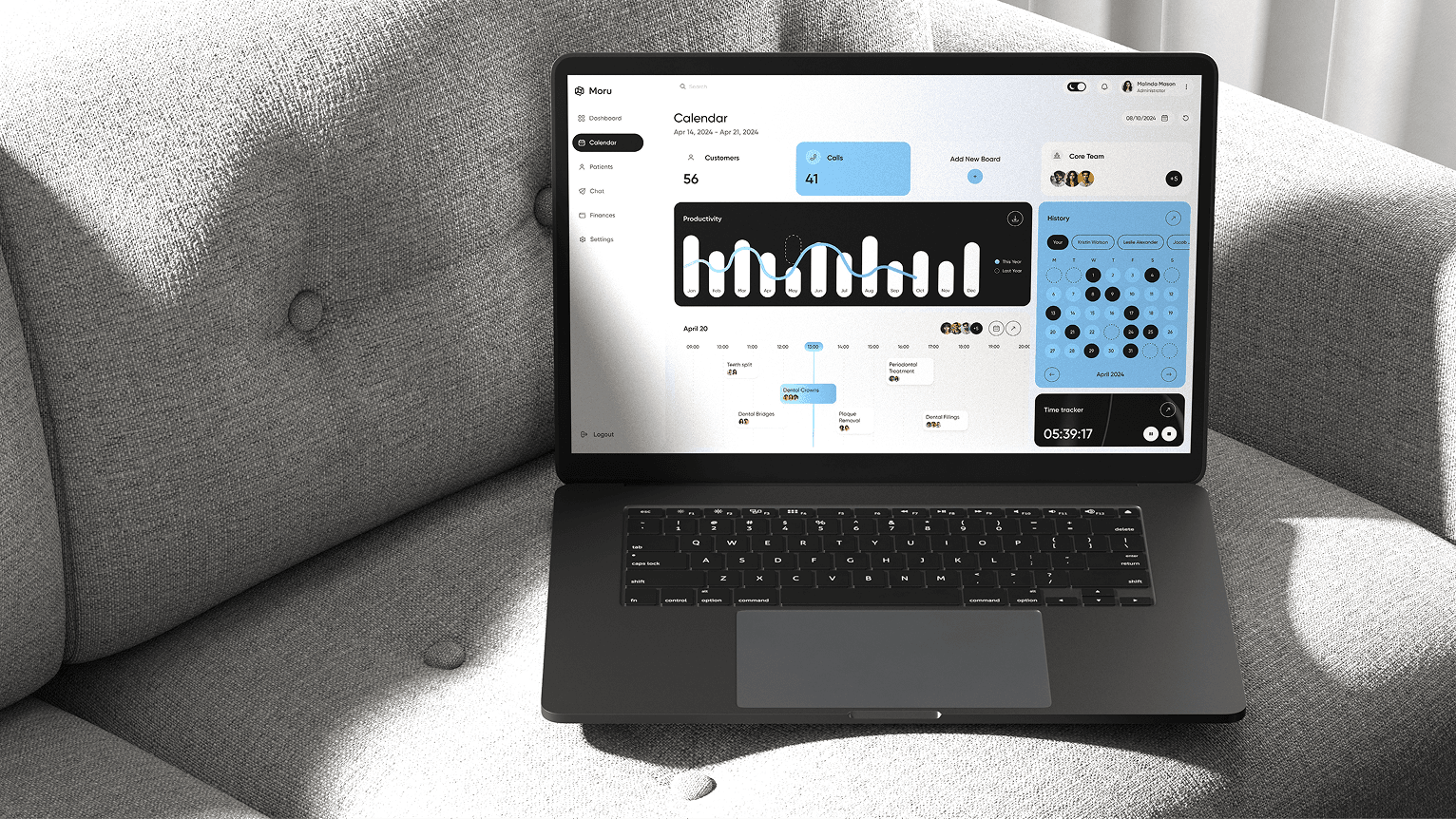
A typical clinic juggles one system for appointments, another for patient messages, a spreadsheet for finances, and paper or memory for everything in between. Information scatters, response times stretch, and staff burn hours on manual work that has nothing to do with care. When a patient calls with a simple question, finding the answer can mean opening three apps.
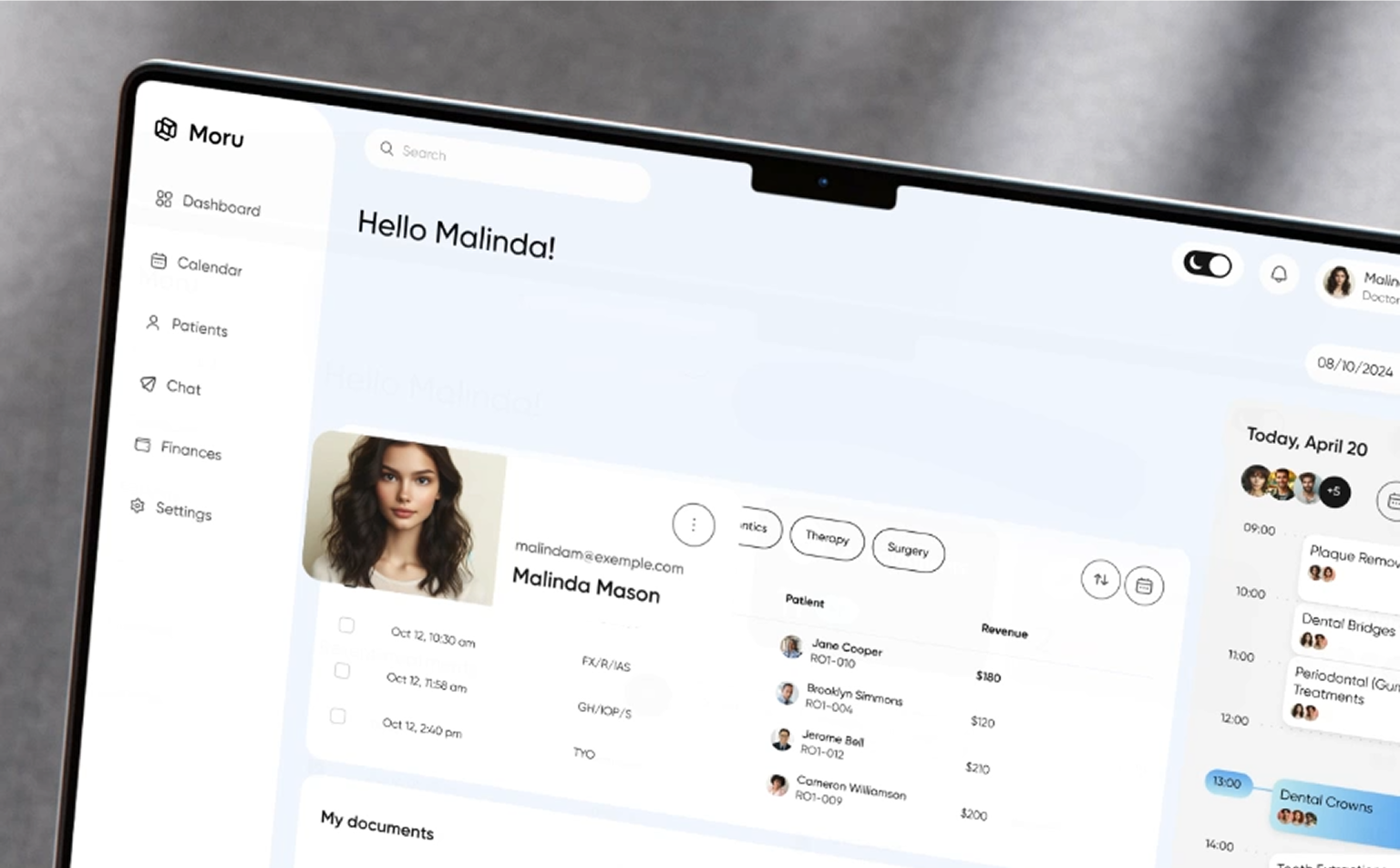
Moru set out to replace that chaos with a single ERP/CRM built for healthcare teams. They came to Mara for the part that determines whether overworked staff will actually adopt it: a product experience that makes the complex feel effortless.
The promise of an all-in-one clinic system is obvious; the execution is where most fail, collapsing under their own feature count. The opportunity for Moru was restraint: unify scheduling, communication, finance, and insight without building yet another bloated dashboard nobody enjoys opening.
Done right, Moru wouldn't just save clicks. It would shorten the distance between a patient's need and a staff member's answer — the metric clinics feel every single day.
Mara designed the complete product experience for Moru, bringing a clinic's core operations under one roof:
Appointment Calendars — scheduling that gives the whole team a shared, real-time view of the day, the week, and every room.
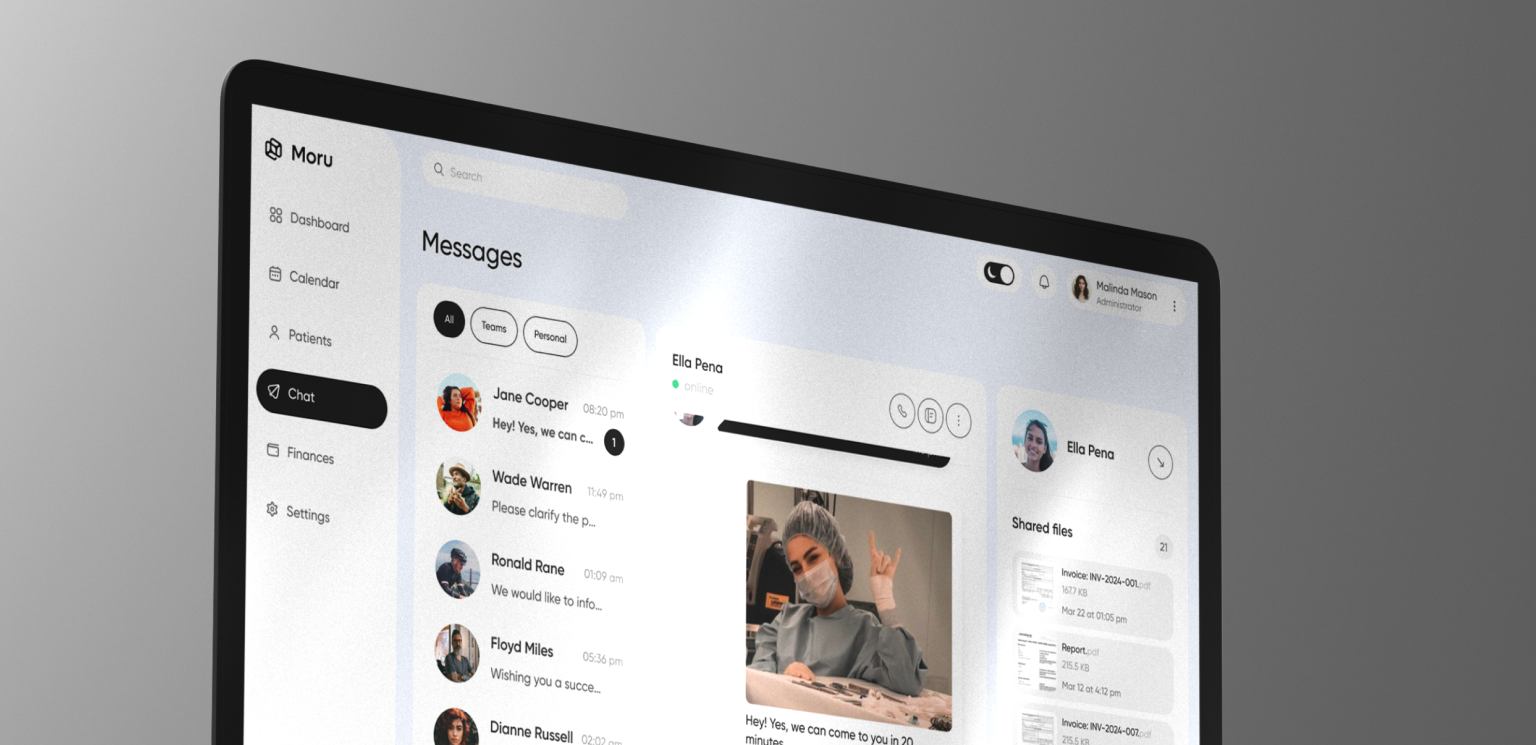
Patient Chat — built-in communication that cuts response time and keeps every conversation tied to the right record.
Finances — billing and financial tracking integrated with operations, so the business side stays current without separate spreadsheets.
Dashboards — clear overviews that turn clinic activity into decisions, surfacing what needs attention without the noise.
-3.png&w=1920&q=75)
A shared calendar where appointments, staff, and rooms line up in one view — booking and rescheduling without the back-and-forth.
-2.png&w=1920&q=75)
Patient chat tied to each record, so staff respond faster and with full context, not guesswork.
-3.png&w=1920&q=75)
Dashboards that pull scheduling, communication, and finance into a single pulse of how the clinic is running.
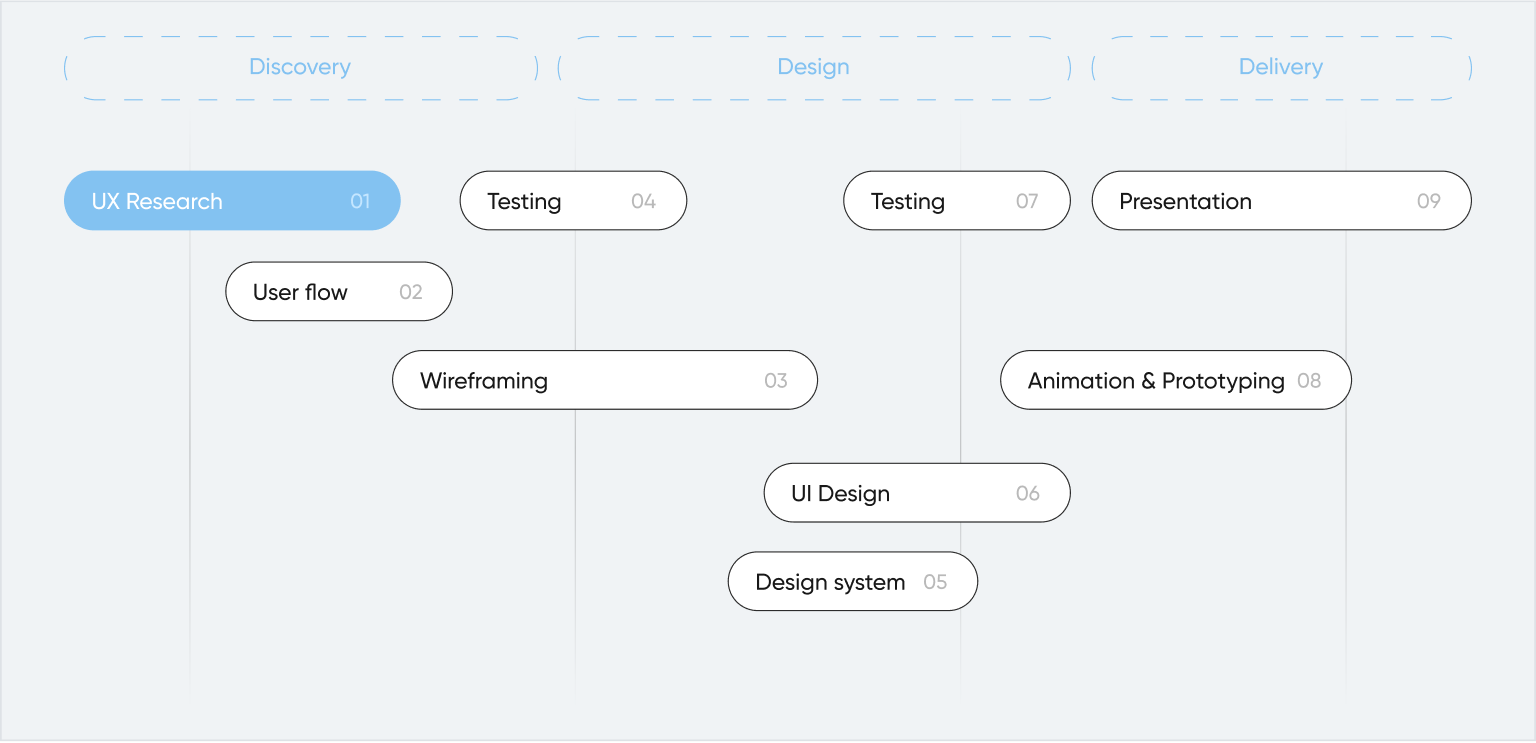
We grounded the design in how medical teams actually spend their day — and where the system had to disappear into the background.
Workflow mapping — following doctors, nurses, and front-desk staff to locate the moments that cost the most time and attention.
Tool audit — cataloging the scattered apps clinics rely on, so Moru could absorb their jobs without losing what staff already trusted.
Usability priorities — establishing that in a clinical setting, speed and clarity beat feature depth every time.
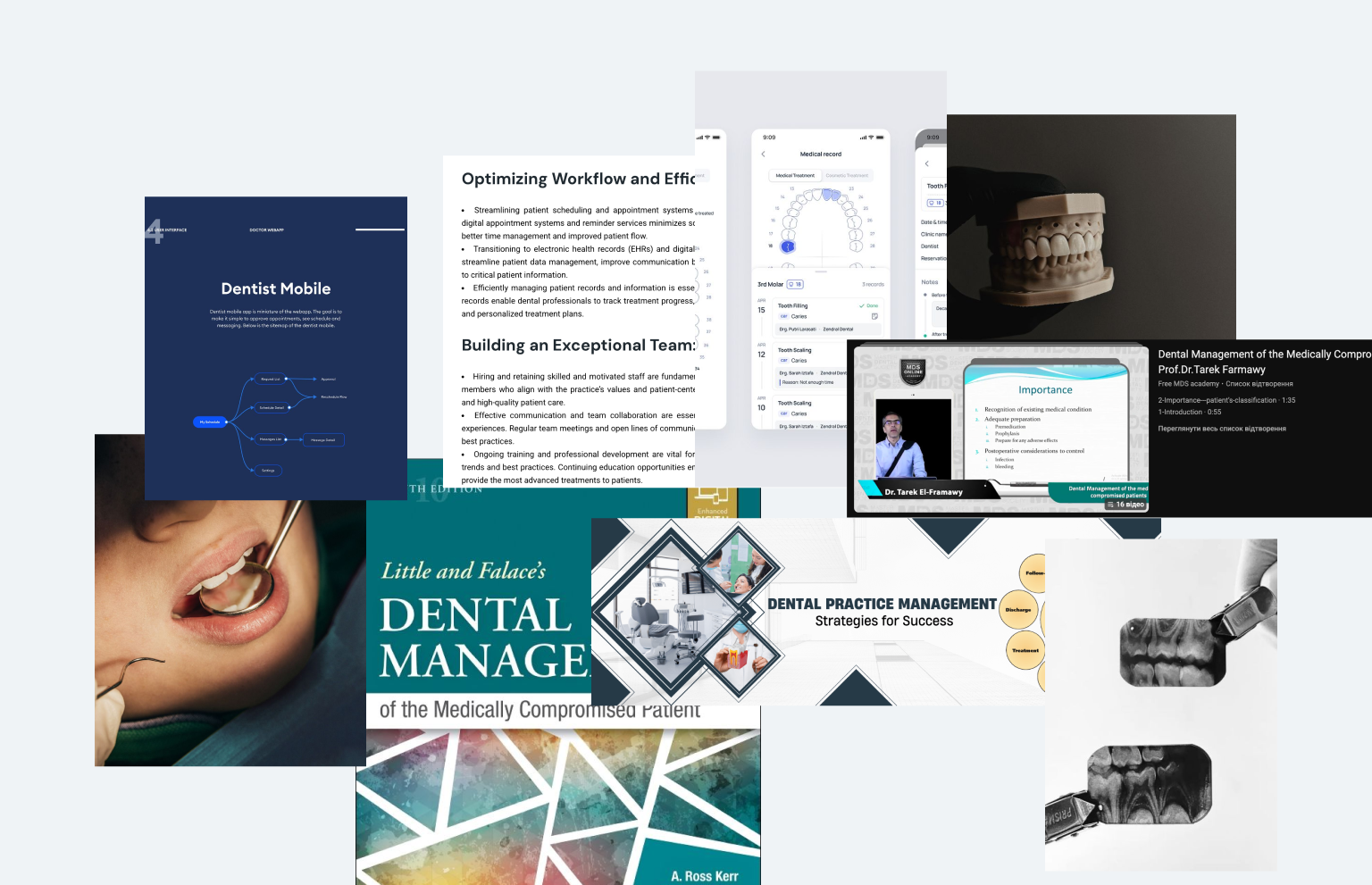
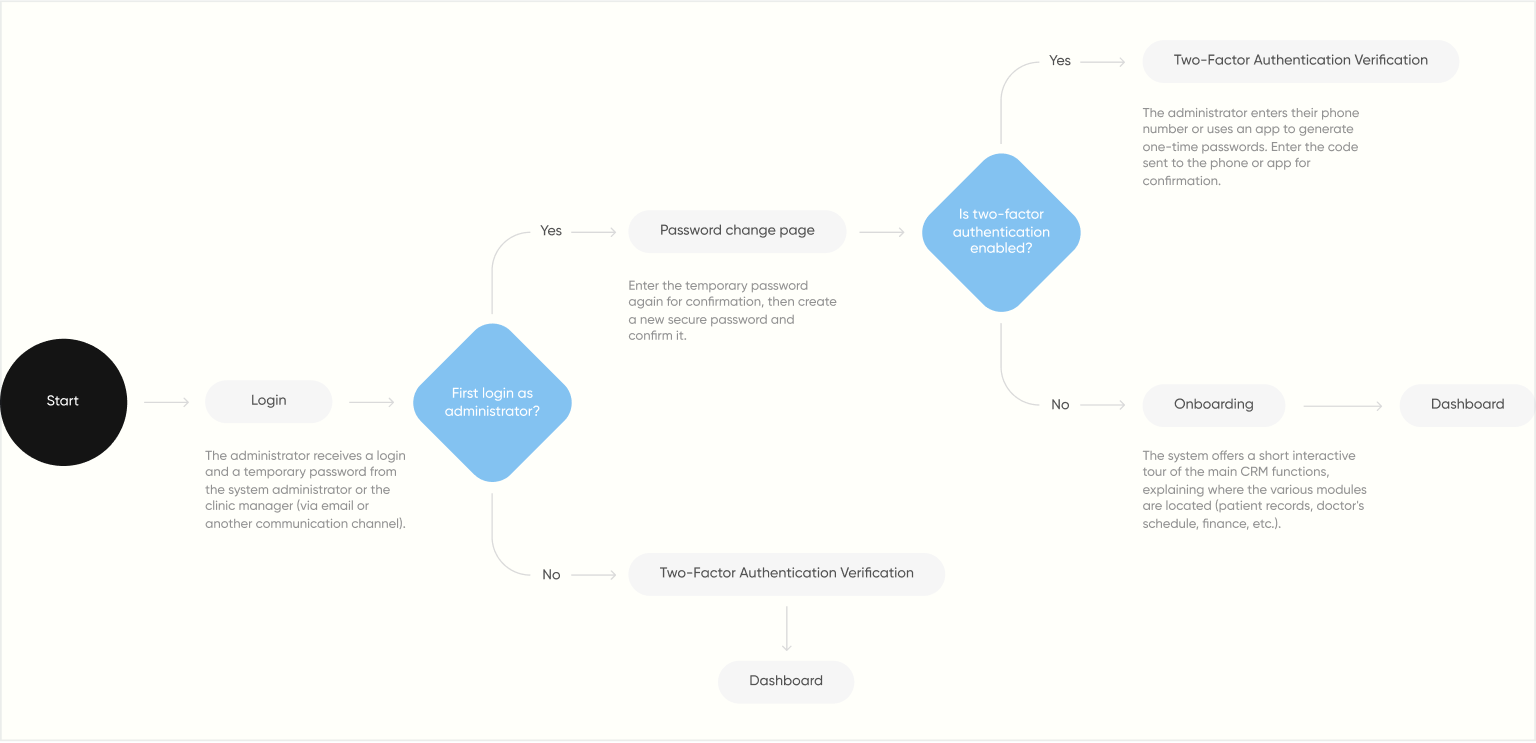
We explored interface directions from feature-rich command centers to focused, task-first views, testing where the balance lies for staff who use the product all day. The chosen direction keeps the everyday actions — booking, replying, checking the schedule — one tap away, with depth available but never in the way.
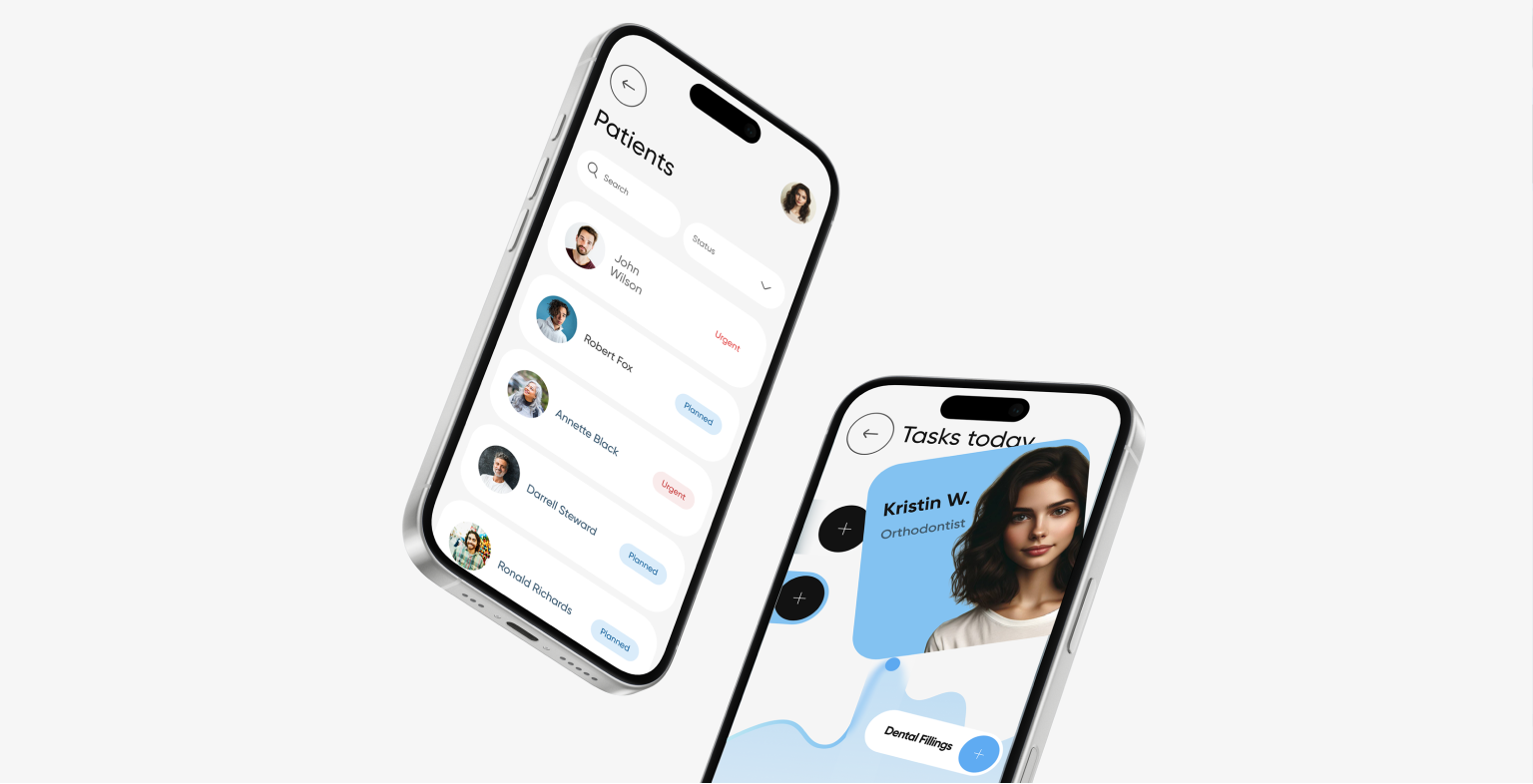
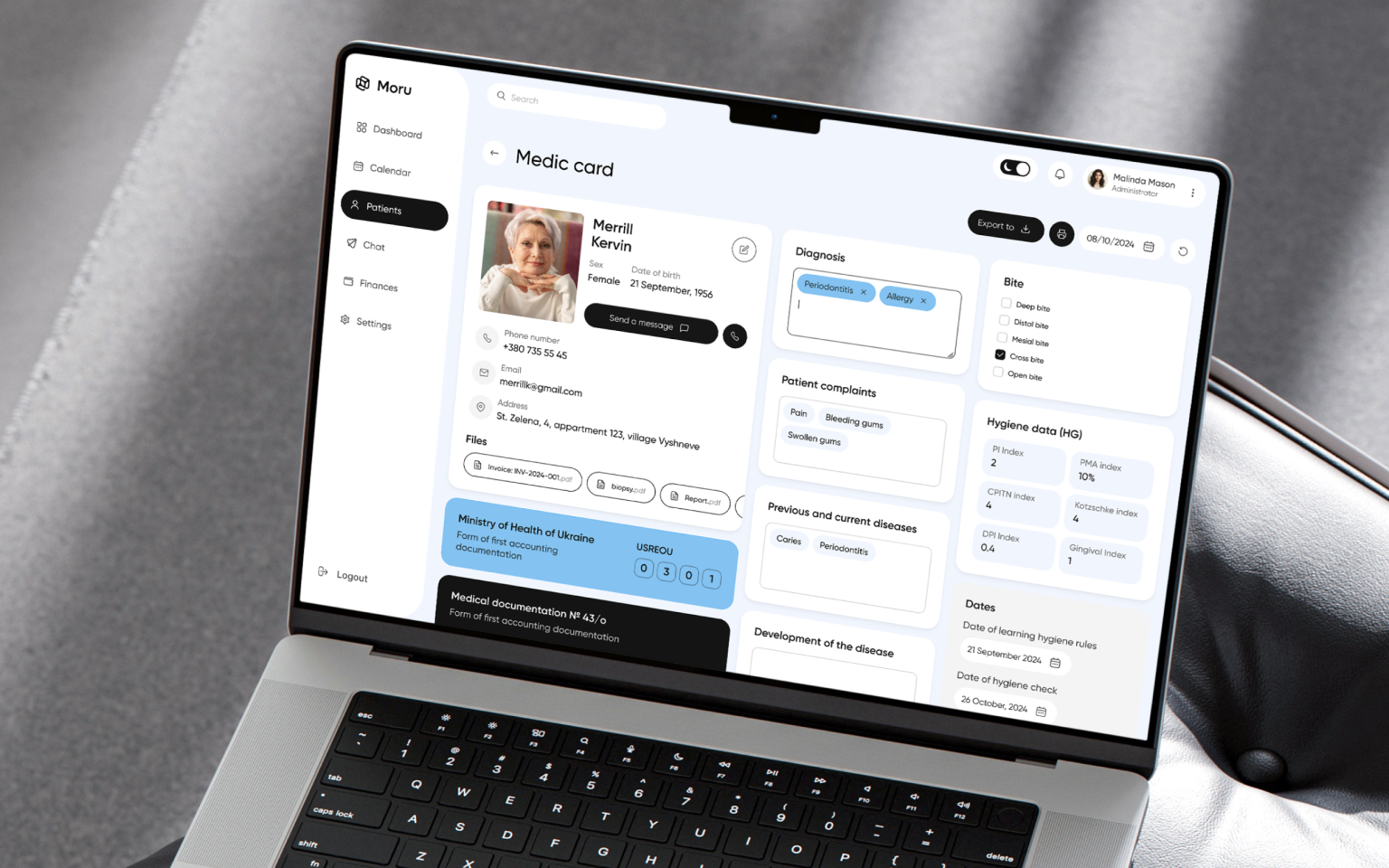
The bottleneck is rarely effort — it's context-switching. We tied patient chat directly to each record and the shared calendar, so a staff member answers with everything in front of them. No reopening apps, no hunting for history; the answer is where the question is.
An all-in-one system tempts you to show everything at once. We resisted it — leading each view with the few things that matter now, and tucking depth one layer down. The result feels less like enterprise software and more like a tool that respects a clinician's attention.
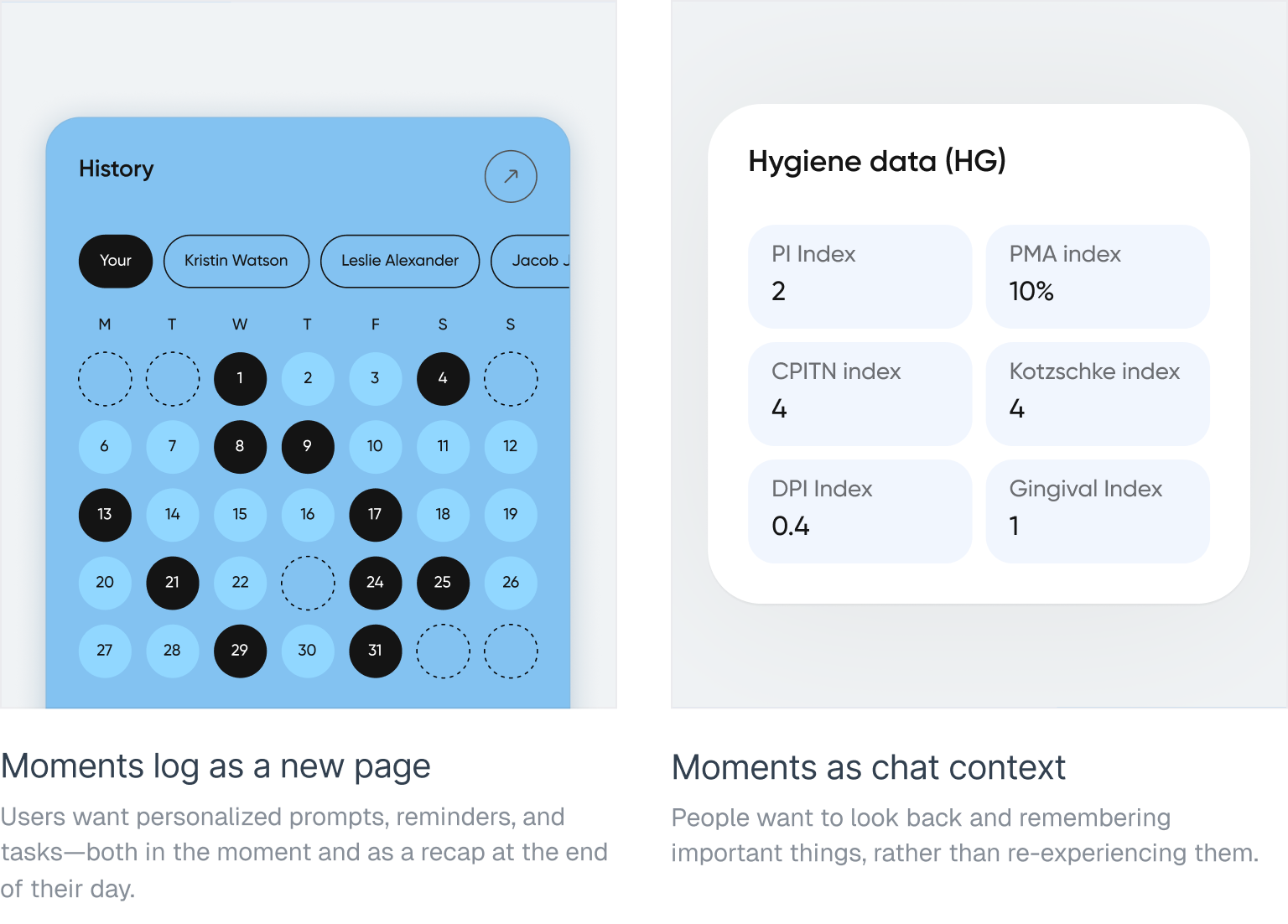
In this case, Tomo would use real-time cues to choose when to record, balancing battery with context capture.

-3.png&w=1920&q=75)
We could use a notification to let users know why Tomo is recording.
-1.png&w=1920&q=75)
We could use icons to represent moments without visual captures, and pull context from other sources, like LinkedIn headshots for coffee chats.
Mara delivered the full product design for Moru — appointment calendars, patient chat, finances, and dashboards — unifying clinic operations into a single ERP/CRM built to reduce response time and manual work for doctors, nurses, and staff.

At our core, we believe in delivering high-quality designs in days, not weeks. This ensures that your project stays on track and progresses smoothly, minimizing delays and maximizing efficiency.