Health/Wellness •

Academic load, financial strain, isolation, and the weight of figuring out a future all land at once. Campus counseling services are overstretched, waitlists run for weeks, and most students struggle quietly until they're already in crisis. The tools meant to help often feel clinical, stigmatizing, or simply not built for a nineteen-year-old's reality.
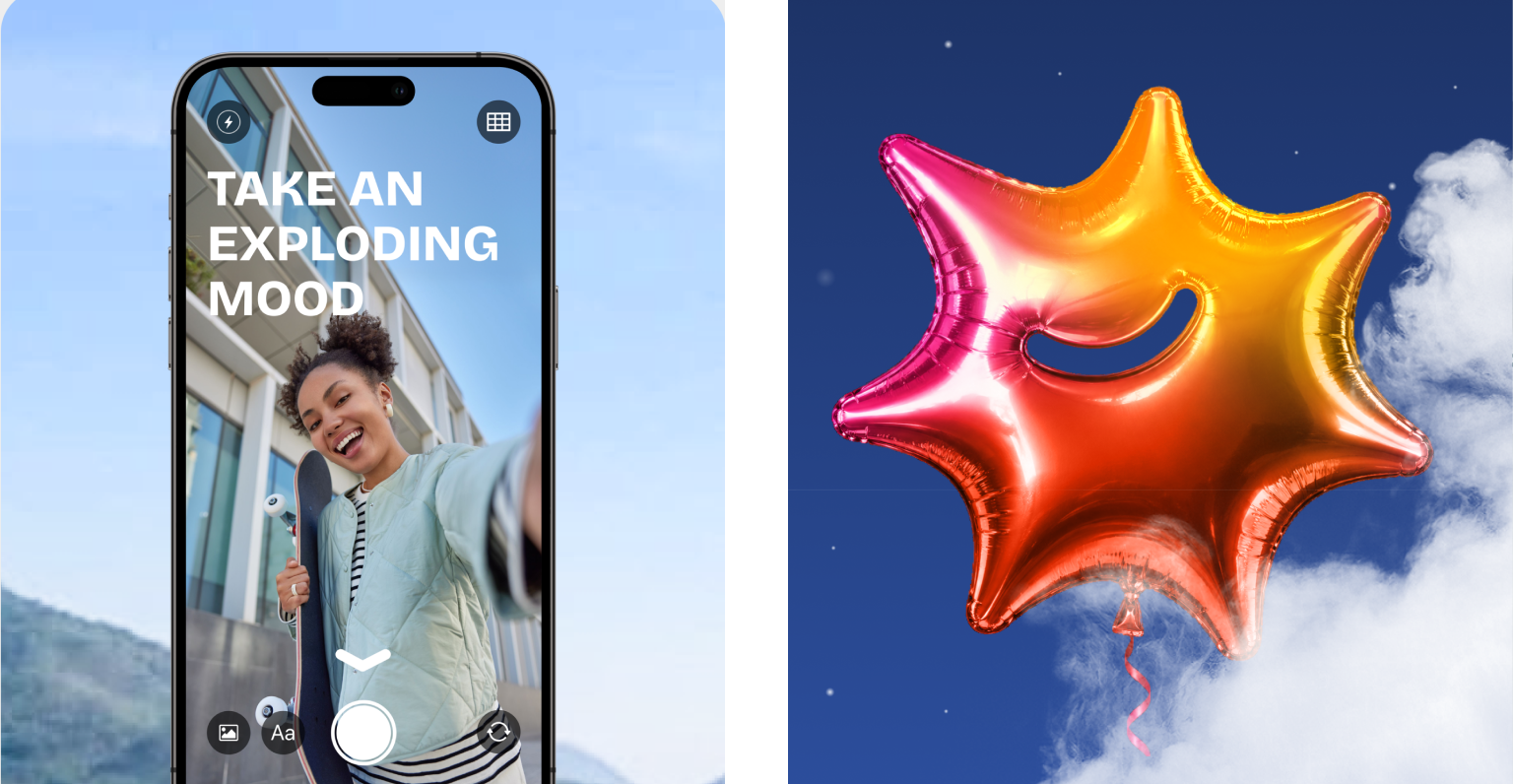
Boom set out to put daily mental-health support in every student's pocket — and to give universities the means to act before students burn out or drop out. The product had to serve both, beautifully, and that's where Mara came in.
Memory should be OpenAI’s new moat. LLMs are becoming commoditized, but personalization and context are
the new differentiators. With hardware, OpenAI will benefit from:
Two needs sat in tension. Students need privacy to be honest about how they feel. Universities need insight to support their communities and protect retention. The opportunity was to design a system that serves both by separating personal from aggregate: students get a private companion, campuses get an honest pulse — never a name.
Solve that, and Boom isn't just another wellness app. It's infrastructure a university relies on.
Mara built the complete design surface for Boom:
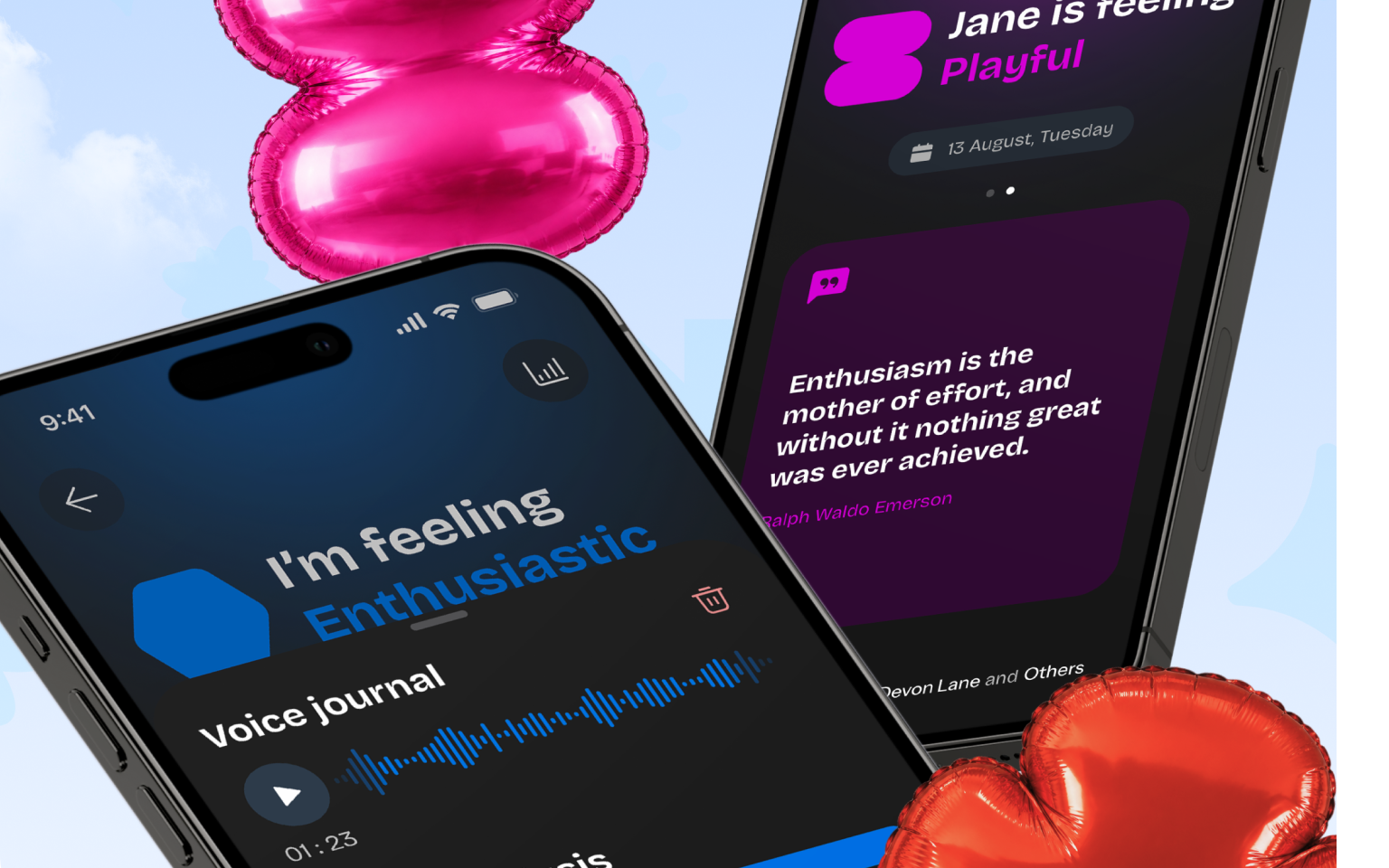
The Student App — a daily wellness companion combining AI-guided mood analysis, written and voice journaling, personalized recommendations, lectures, smart notifications, and progress analytics.
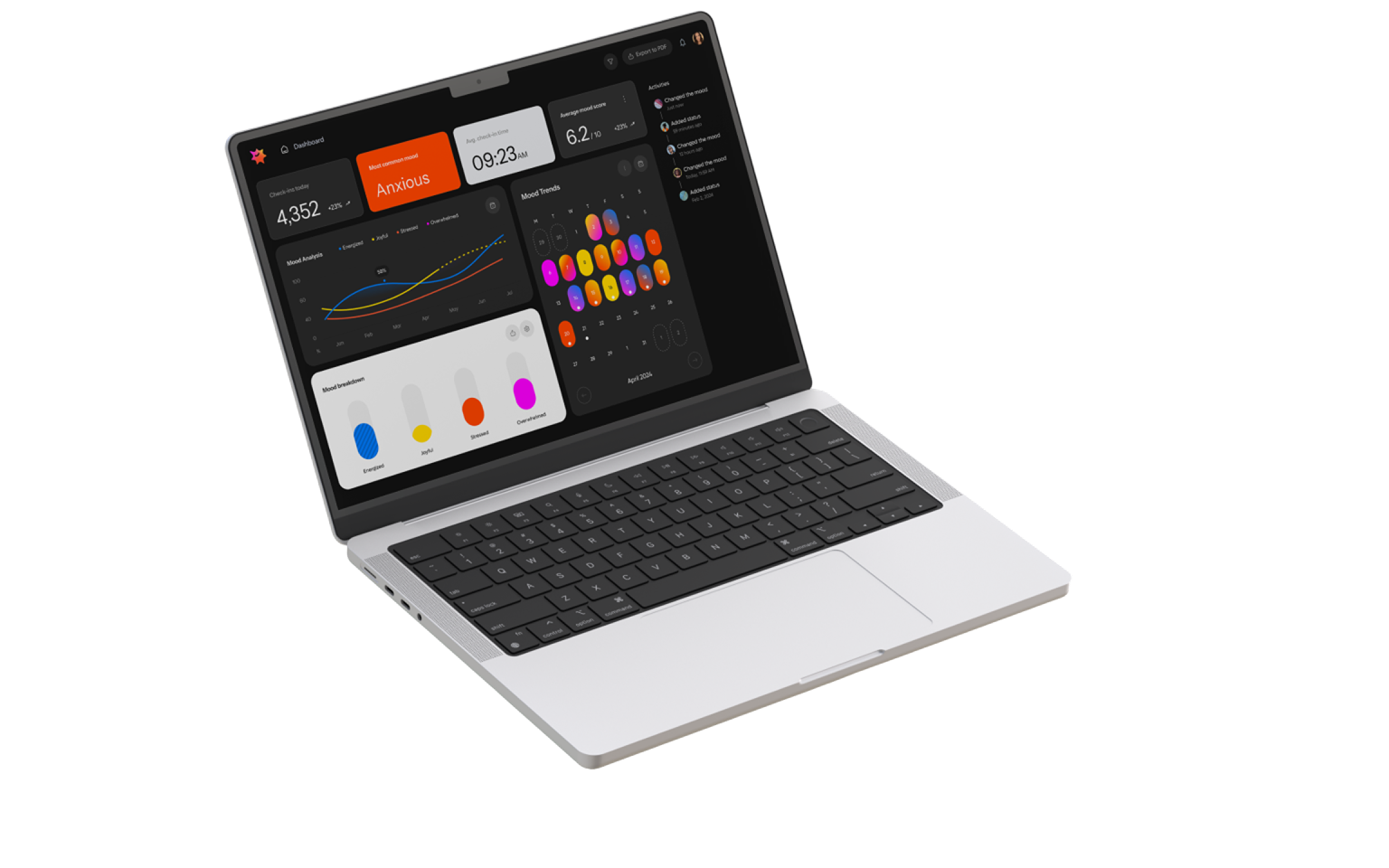
The Campus Dashboard — a privacy-first admin panel that gives universities aggregate insight into student wellbeing across campuses, with zero access to individual data.
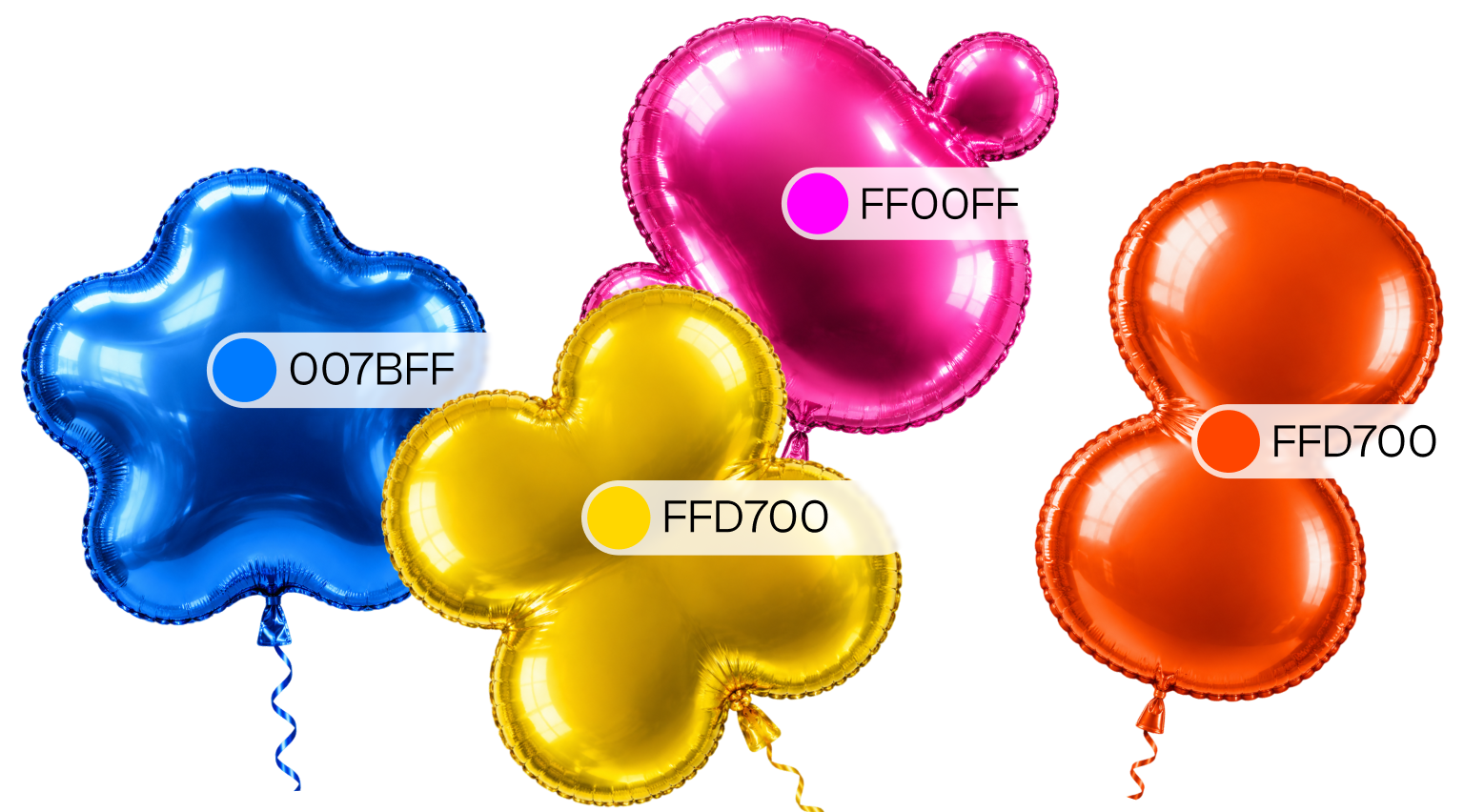
Brand Identity — a warm, trustworthy visual language that works equally on a student's phone and in a dean's boardroom.
Website, Pitch Decks & Social Content — the go-to-market layer supporting both the direct-to-student subscription and the B2B university sales motion.
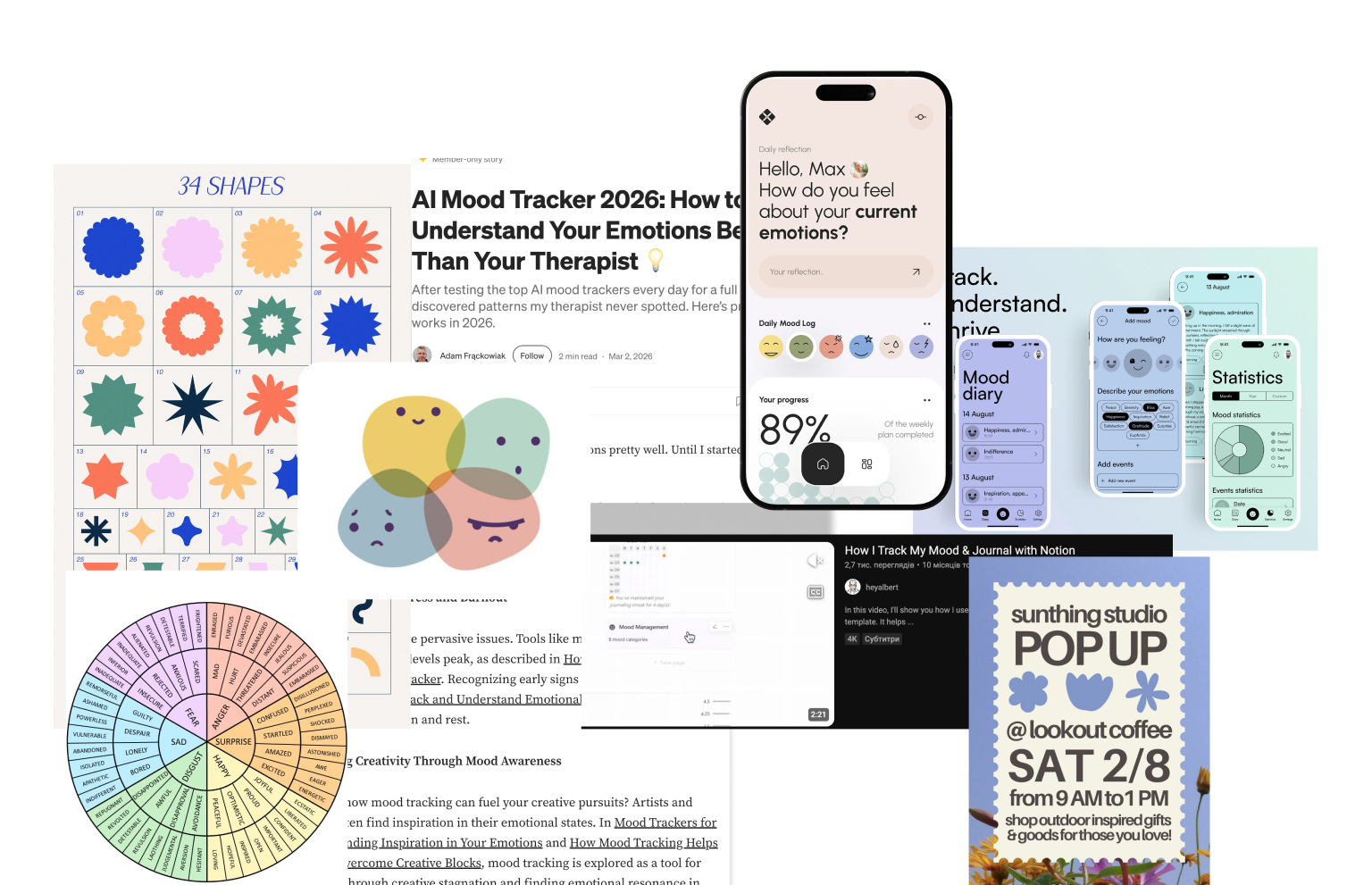
We grounded the work in the realities of student life and the sensitivities of wellbeing data.
Student context — understanding the specific pressures of college and university life, and why existing tools fail to fit them.
Privacy architecture — defining, with the team, exactly what campuses could and couldn't see, so the dashboard could deliver value without ever compromising a student.
Dual-audience mapping — designing parallel experiences for individuals and institutions that share a brand but never share private data.
.png)
We designed the campus dashboard to speak only in aggregate. A dean can see that morale in Campus #1 has declined — and the specific spectrum of emotions behind it — but never who feels what. Decisions get made on patterns, not people. Privacy isn't a setting here; it's the architecture.
On the days a student most needs to offload, typing is the last thing they want to do. We made voice journaling a first-class path — speak freely, get the same recommendations and history as text — so the product meets students at their lowest energy, not just their most motivated.
Boom — backed by Y Combinator — launched with a complete design system spanning a consumer app, an institutional dashboard, and a brand that holds up in both worlds. With Mara's work, Boom gained:
A companion students actually use AI insights, voice and written journaling, lectures, analytics, and smart nudges — wrapped in an interface built for daily life under pressure.
A tool universities can rely on A privacy-first dashboard that turns campus wellbeing into something leadership can see and support — tied directly to retention and the revenue it protects.
A brand for two audiences Warm for students, credible for institutions, consistent across website, decks, and social.
Check-ins, journaling, recommendations, and progress — designed to make caring for your mind a small daily habit.
Aggregate moods and emotional trends per campus — enough to act on, never enough to identify.