
$30M
raised and earned by companies we built for

We help founders go from first pitch deck to first product release — design that moves fast without looking rushed
Interfaces and websites built to acquire, convert, and retain users at scale.
Products that build trust around money — clear, compliant, and confidence-inspiring by default
Interfaces for AI and agentic products that explain capability, limitations, and control from the first interaction.
Websites and products that build credibility with business buyers and support longer sales cycles.
Stores around how people shop — from product pages to checkout, built to convert.
As a healthcare design agency, we design websites and products for providers and health tech companies — built for trust, clarity, and accessibility
As an edtech design agency, we design learning platforms and products that make complex content easy to navigate for students and educators alike
Platforms that showcase properties beautifully and turn visitors into leads.
Branding and products for DeFi and token projects that need to be taken seriously


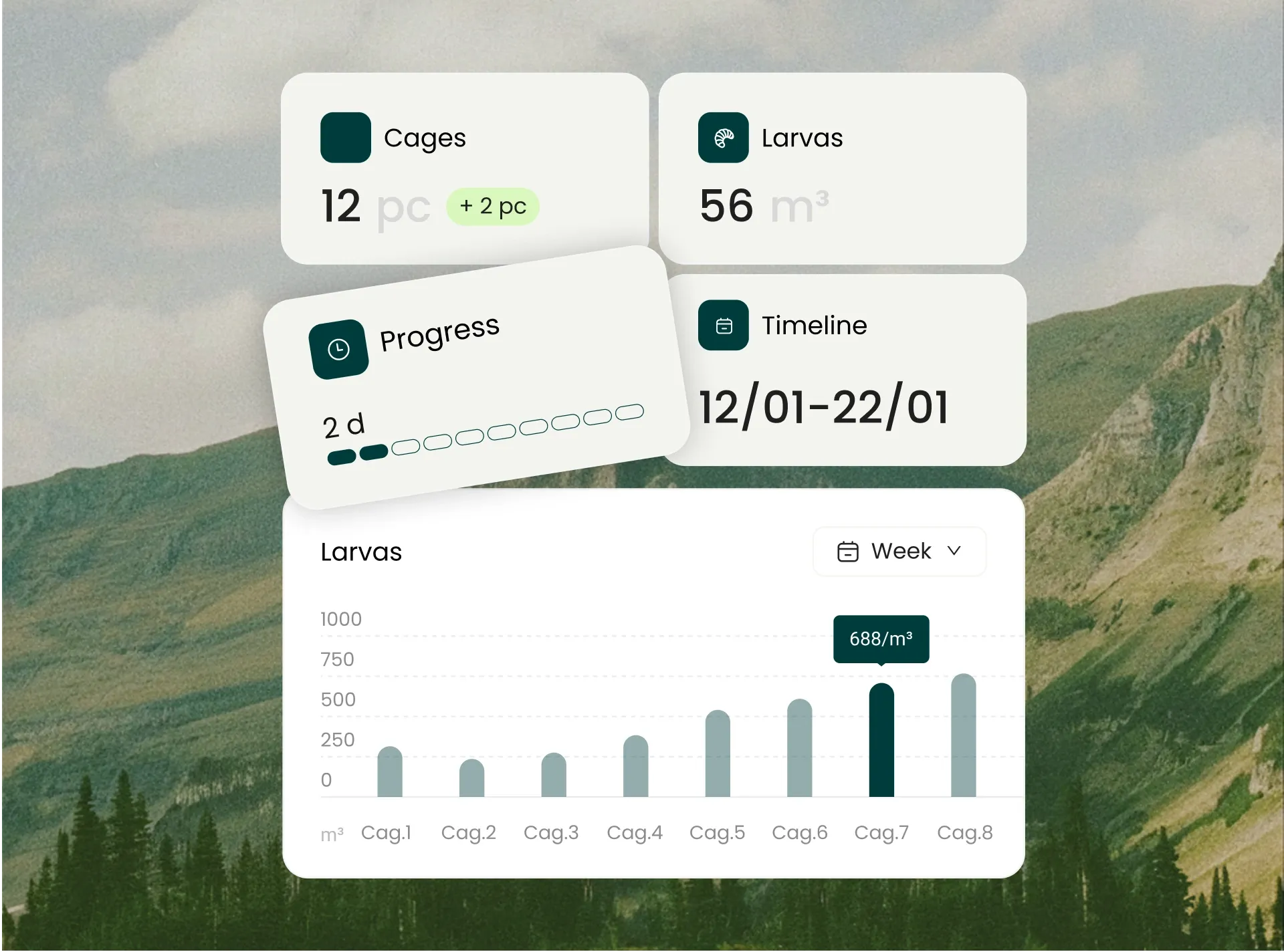
Insect-farming laboratories run on some of the most data-dense operations in agritech - yet no software was built for them.

Full design partnership for Boom: a student mental-health app with AI insights, voice & written journaling, plus a privacy-safe analytics dashboard for campuses.
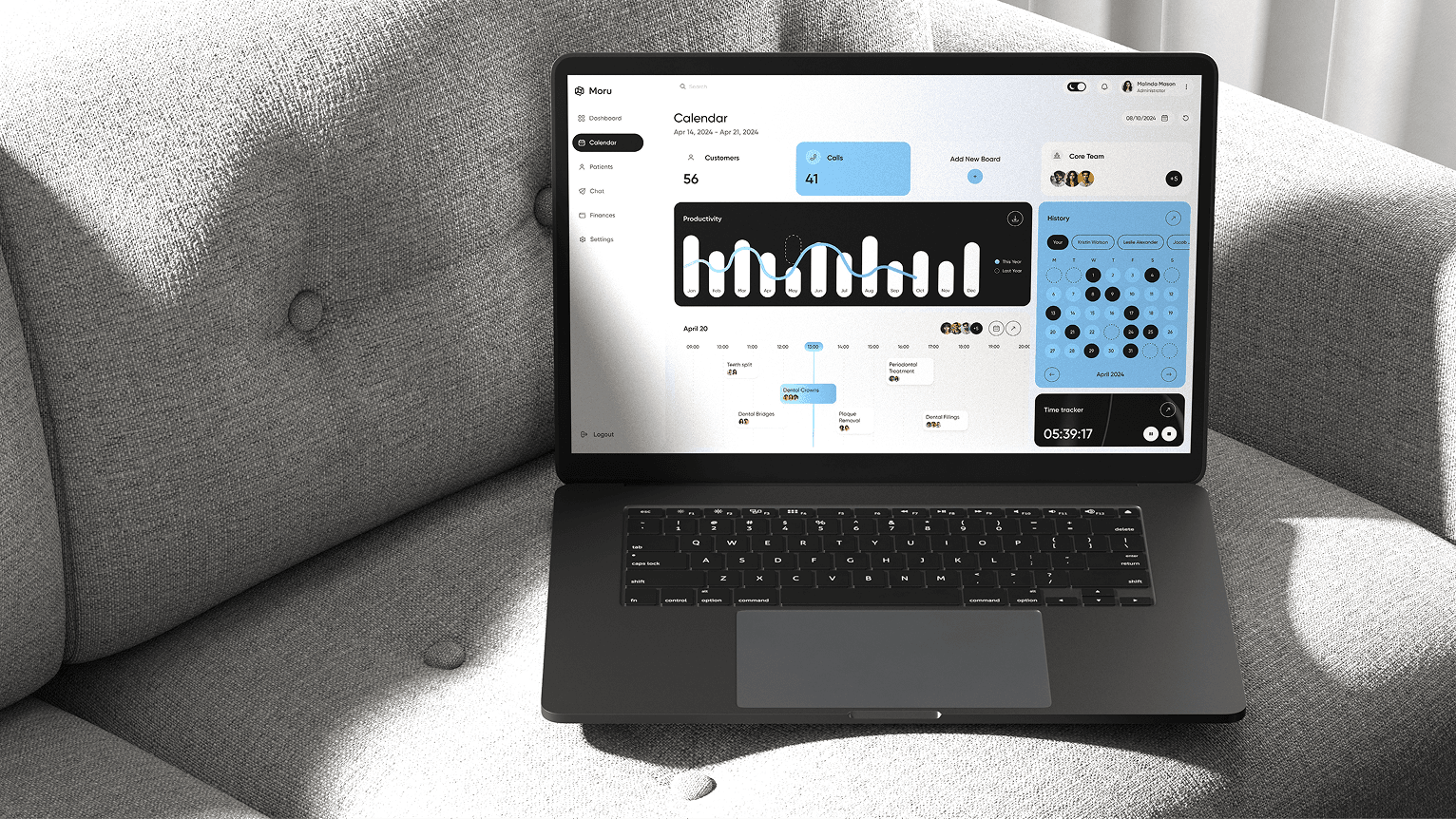
Product design for Moru: one system uniting appointment calendars, patient chat, finances, and dashboards — so clinical teams spend less time on admin and more on care.

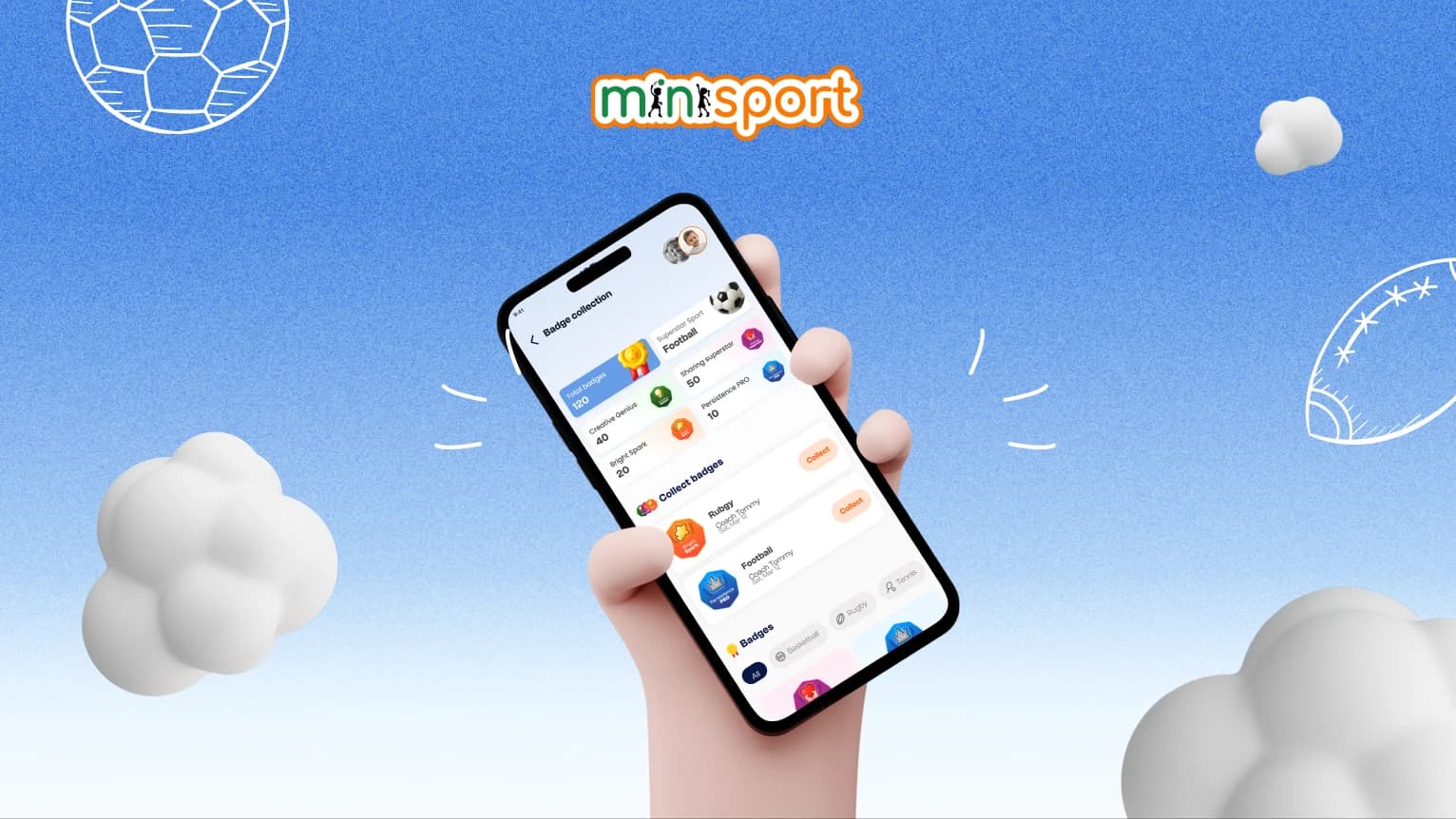
Product, character, and gamification design for Ango: an English-learning app built specifically for children, where play is the lesson and characters do the teaching.
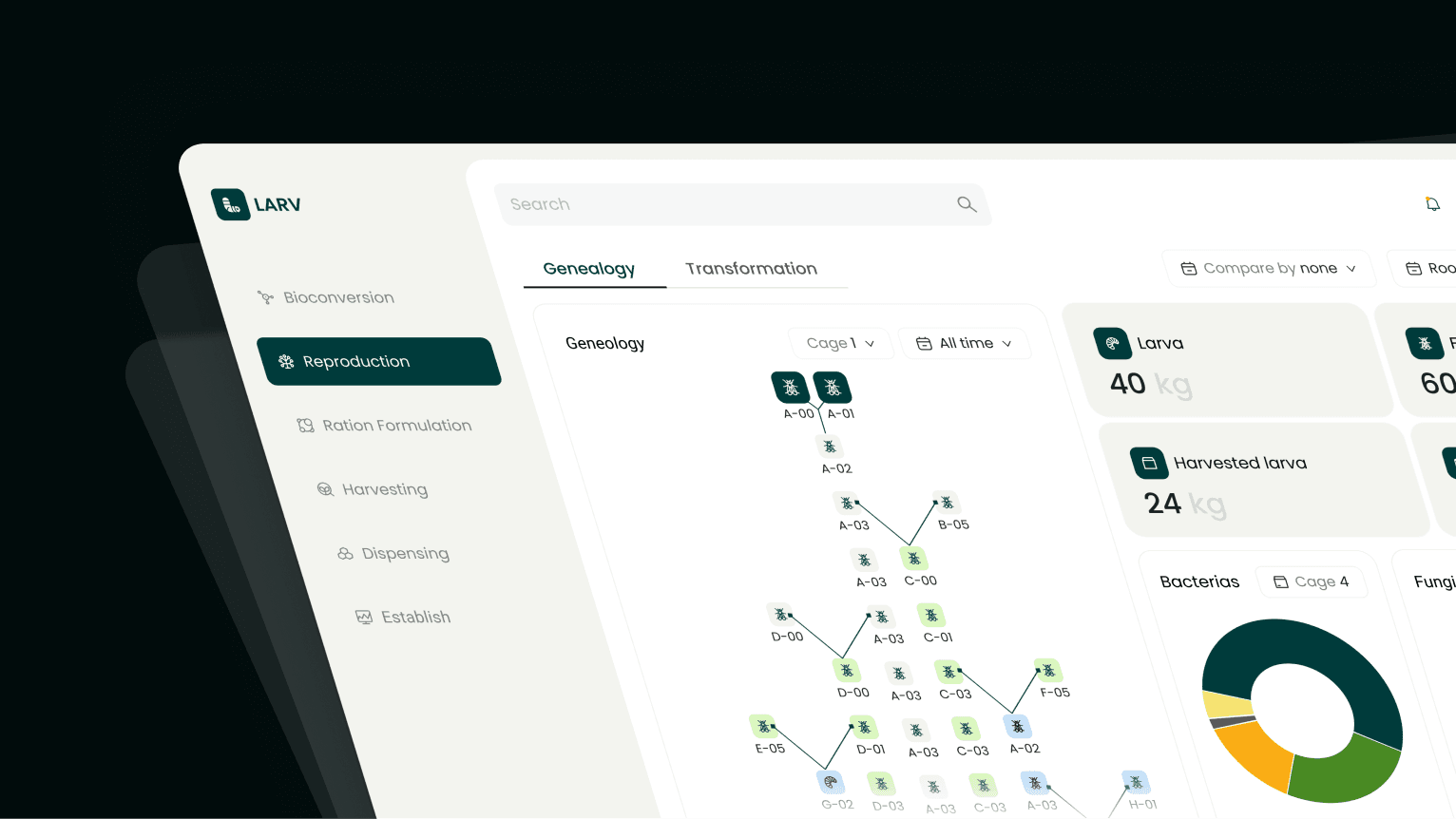
An ERP for one of the most unusual industries we've designed for: insect-farming laboratories. Mara turned smart-sensor streams and breeding records into dashboards a biologist can read at a glance.
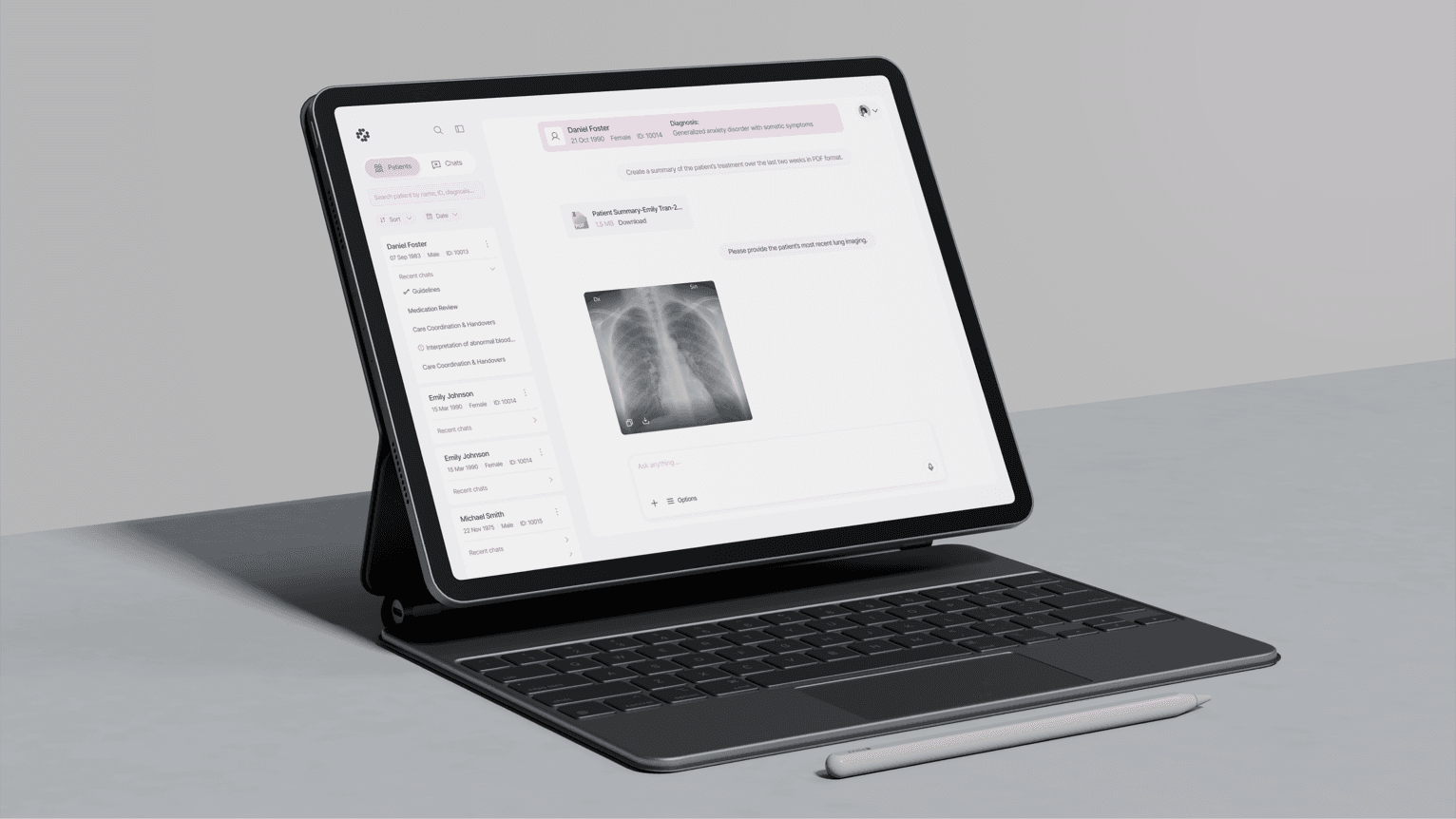
From UX research to full product design: Mara is the end-to-end design partner of Delphyr, the healthcare AI platform that lets clinicians find patient information instantly — backed by the founders of Hugging Face and DEGIRO.
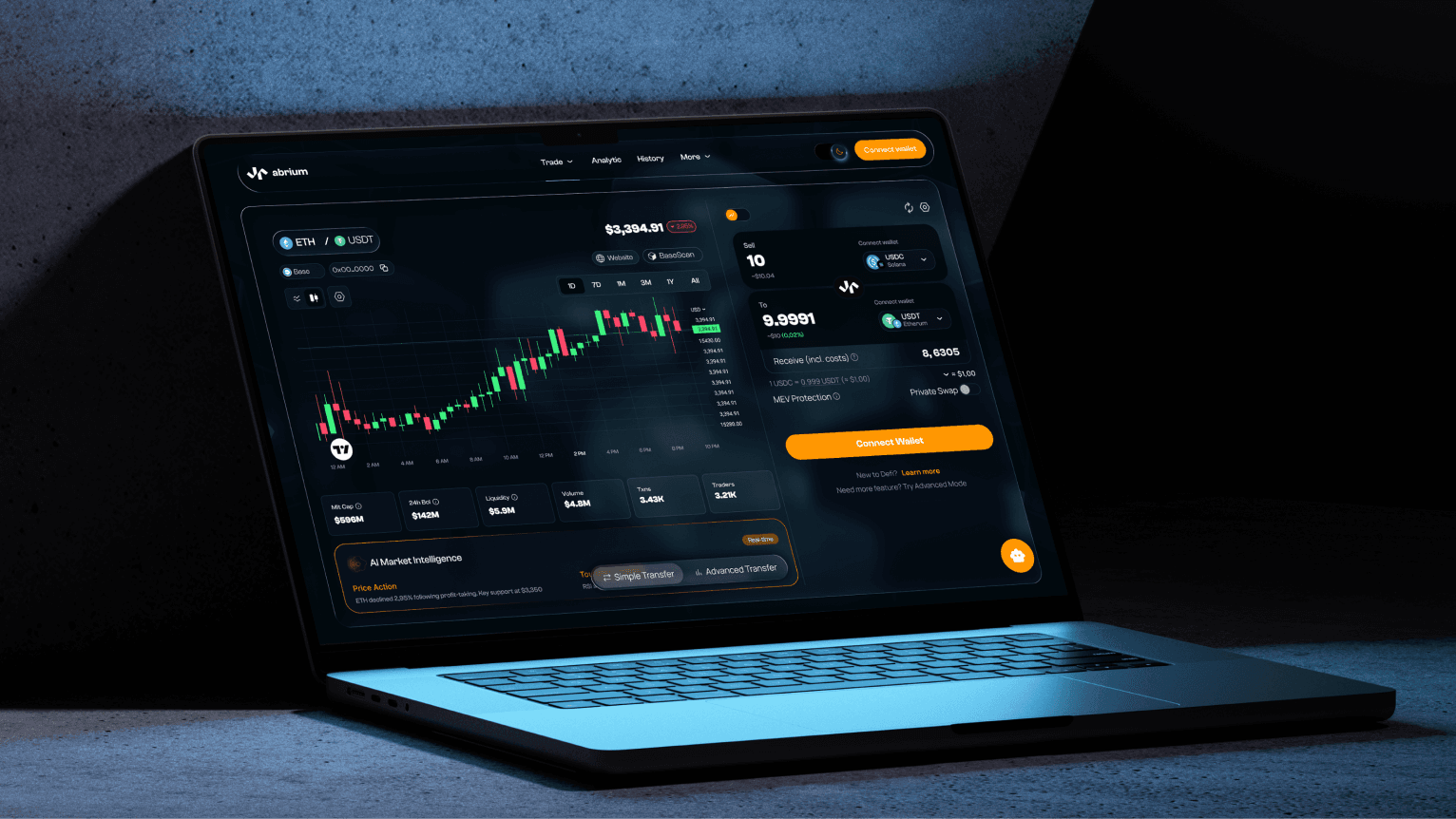
Mara designed Abrium from the ground up: a cross-chain swap platform where MEV protection is a core UX feature, not fine print. Brand identity, website, and full product design for DeFi.
Full design partnership for Boom: a student mental-health app with AI insights, voice & written journaling, plus a privacy-safe analytics dashboard for campuses.
Product design for Moru: one system uniting appointment calendars, patient chat, finances, and dashboards — so clinical teams spend less time on admin and more on care.
Product, character, and gamification design for Ango: an English-learning app built specifically for children, where play is the lesson and characters do the teaching.
An ERP for one of the most unusual industries we've designed for: insect-farming laboratories. Mara turned smart-sensor streams and breeding records into dashboards a biologist can read at a glance.
From UX research to full product design: Mara is the end-to-end design partner of Delphyr, the healthcare AI platform that lets clinicians find patient information instantly — backed by the founders of Hugging Face and DEGIRO.
Mara designed Abrium from the ground up: a cross-chain swap platform where MEV protection is a core UX feature, not fine print. Brand identity, website, and full product design for DeFi.
Full design partnership for Boom: a student mental-health app with AI insights, voice & written journaling, plus a privacy-safe analytics dashboard for campuses.
Product design for Moru: one system uniting appointment calendars, patient chat, finances, and dashboards — so clinical teams spend less time on admin and more on care.
Product, character, and gamification design for Ango: an English-learning app built specifically for children, where play is the lesson and characters do the teaching.
An ERP for one of the most unusual industries we've designed for: insect-farming laboratories. Mara turned smart-sensor streams and breeding records into dashboards a biologist can read at a glance.
From UX research to full product design: Mara is the end-to-end design partner of Delphyr, the healthcare AI platform that lets clinicians find patient information instantly — backed by the founders of Hugging Face and DEGIRO.
Mara designed Abrium from the ground up: a cross-chain swap platform where MEV protection is a core UX feature, not fine print. Brand identity, website, and full product design for DeFi.
You may ask us

UI (user interface) design focuses on the visual and interactive elements a user sees and touches — buttons, layouts, typography, color. UX (user experience) design focuses on the overall journey — how easy a product is to understand and use, and whether it solves the user's problem efficiently. In practice, the two are deeply connected: a good interface without a good underlying experience still frustrates users, and a great experience with a poor interface feels unfinished. We design both together. See our full breakdown: UI Design vs UX Design.
Both. Depending on project scope, we run lightweight research — user interviews, usability reviews, analytics audits — to inform design decisions, rather than designing based on assumptions alone.
Yes. Many of our engagements are targeted redesigns — improving a specific flow, dashboard, or onboarding experience without a full rebuild, so existing users aren't disrupted while the experience improves.
For most engagements, yes. We deliver a structured component library and documented patterns alongside your screens, so your team can build new features consistently after our work is handed off.
We work primarily in Figma for design and prototyping, and integrate with your existing tools — Slack, Notion, Linear, Jira — to fit into how your team already works.
Success metrics depend on your goals — they might include activation rate, time-to-value, task completion rate, support ticket volume, or conversion rate. We help define these metrics during the discovery phase so improvements can be measured after launch.

At our core, we believe in delivering high-quality designs in days, not weeks. This ensures that your project stays on track and progresses smoothly, minimizing delays and maximizing efficiency.