Fintech/banks •
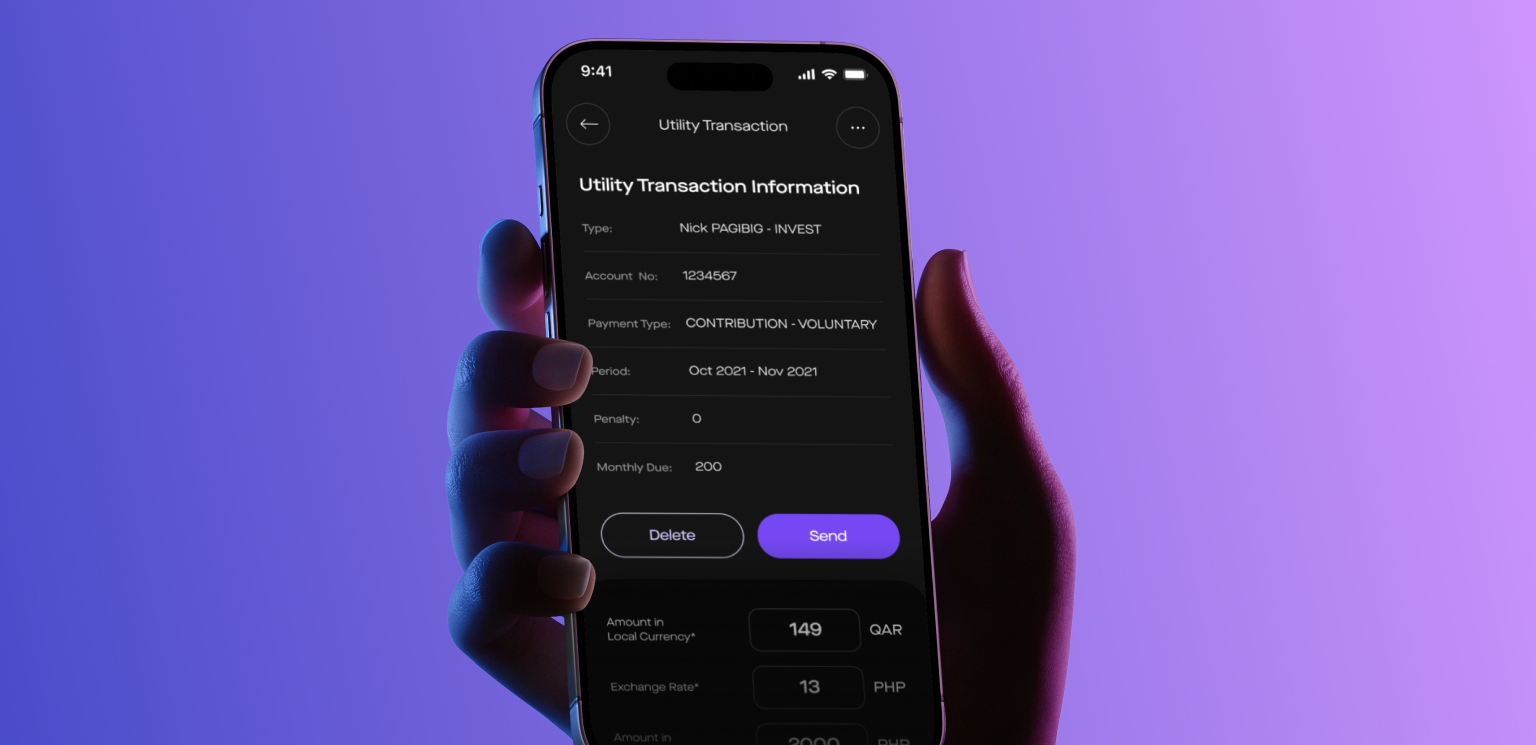
This started as an internal exercise. Banking apps are among the most-opened apps on any phone, yet most feel like a chore: cluttered dashboards, buried actions, and numbers that take a beat too long to read. We took Ripple as our subject and asked what a redesign focused entirely on the everyday could look like.
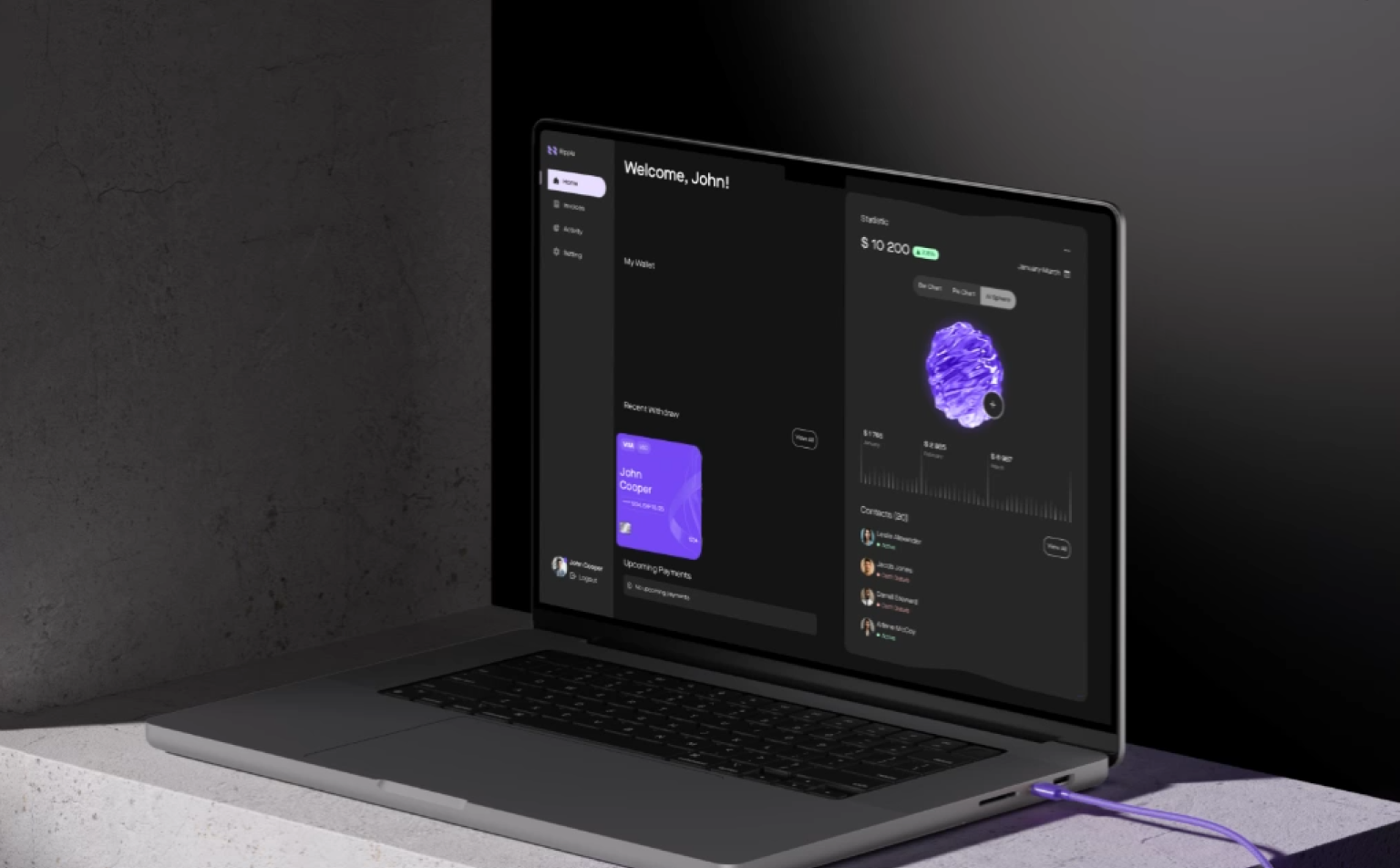
The premise: for a financial product, friction isn't just annoying — it quietly erodes trust. A confusing transfer makes you second-guess your money. We wanted to see how far clarity alone could carry the experience.
A self-initiated project earns its keep by proving a point. Ours: people forgive a slow social app, but never a banking app that makes them unsure a transfer went through. So the concept makes confidence the default — every balance instantly readable, every action obviously complete, every screen calm enough to trust with money.
It's a vision piece, but a disciplined one — designed to show how we'd approach a real fintech engagement, not just to look good in a portfolio.
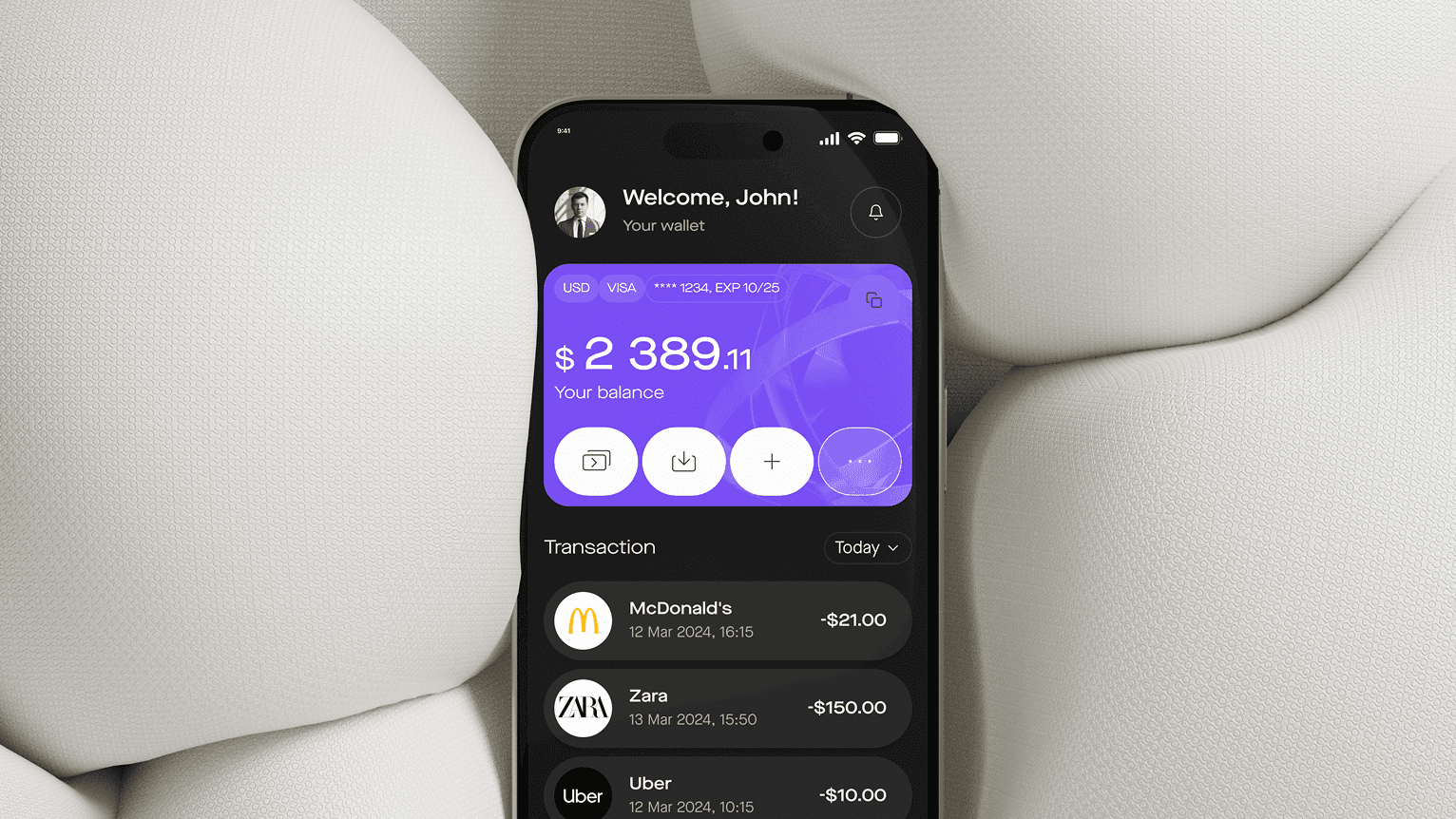
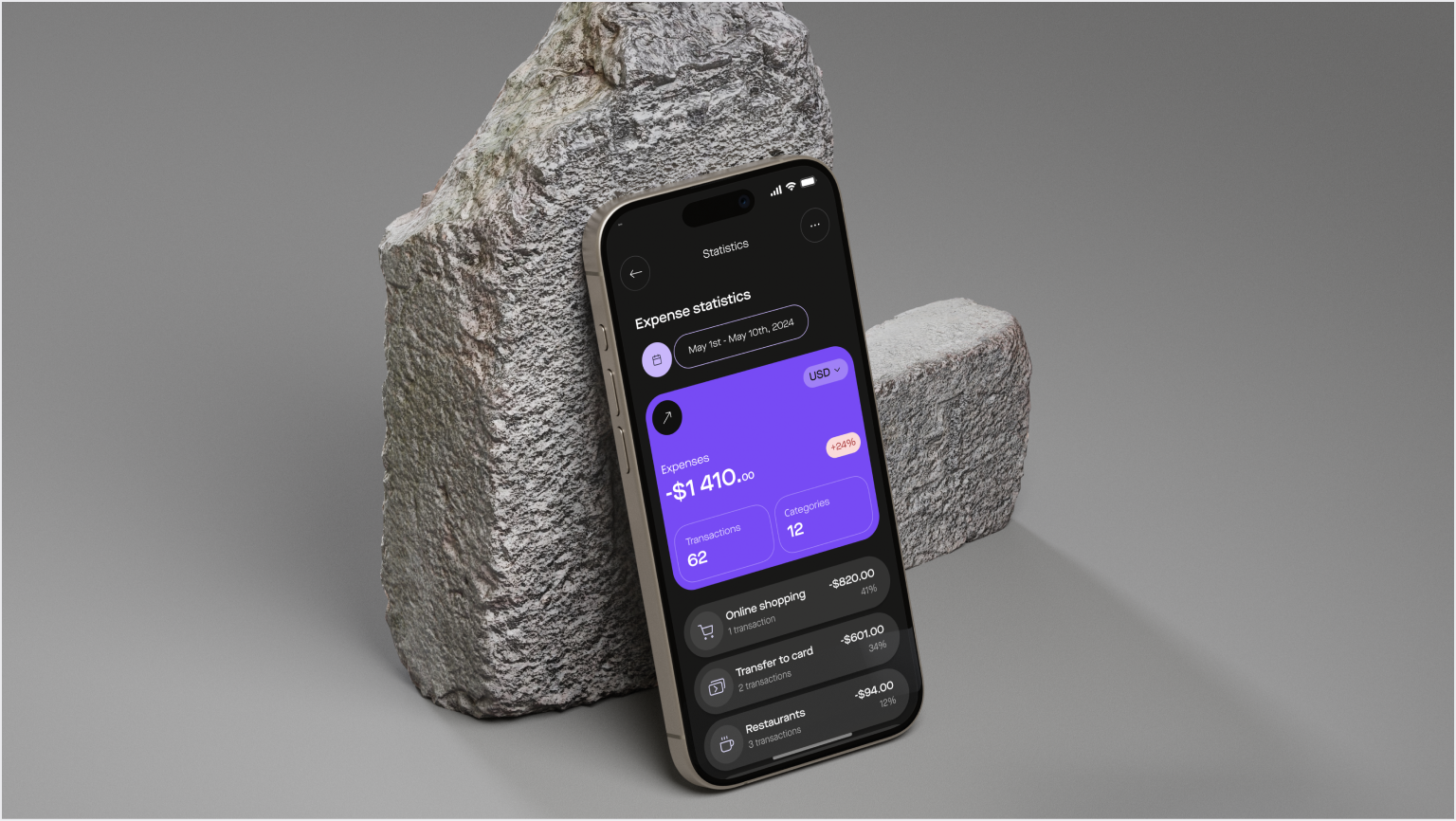
A Clearer Home — balances and recent activity reorganized so a user grasps their financial state the instant the app opens.
Faster Everyday Actions — transfers, payments, and checks streamlined into the fewest confident steps, with unmistakable confirmation.
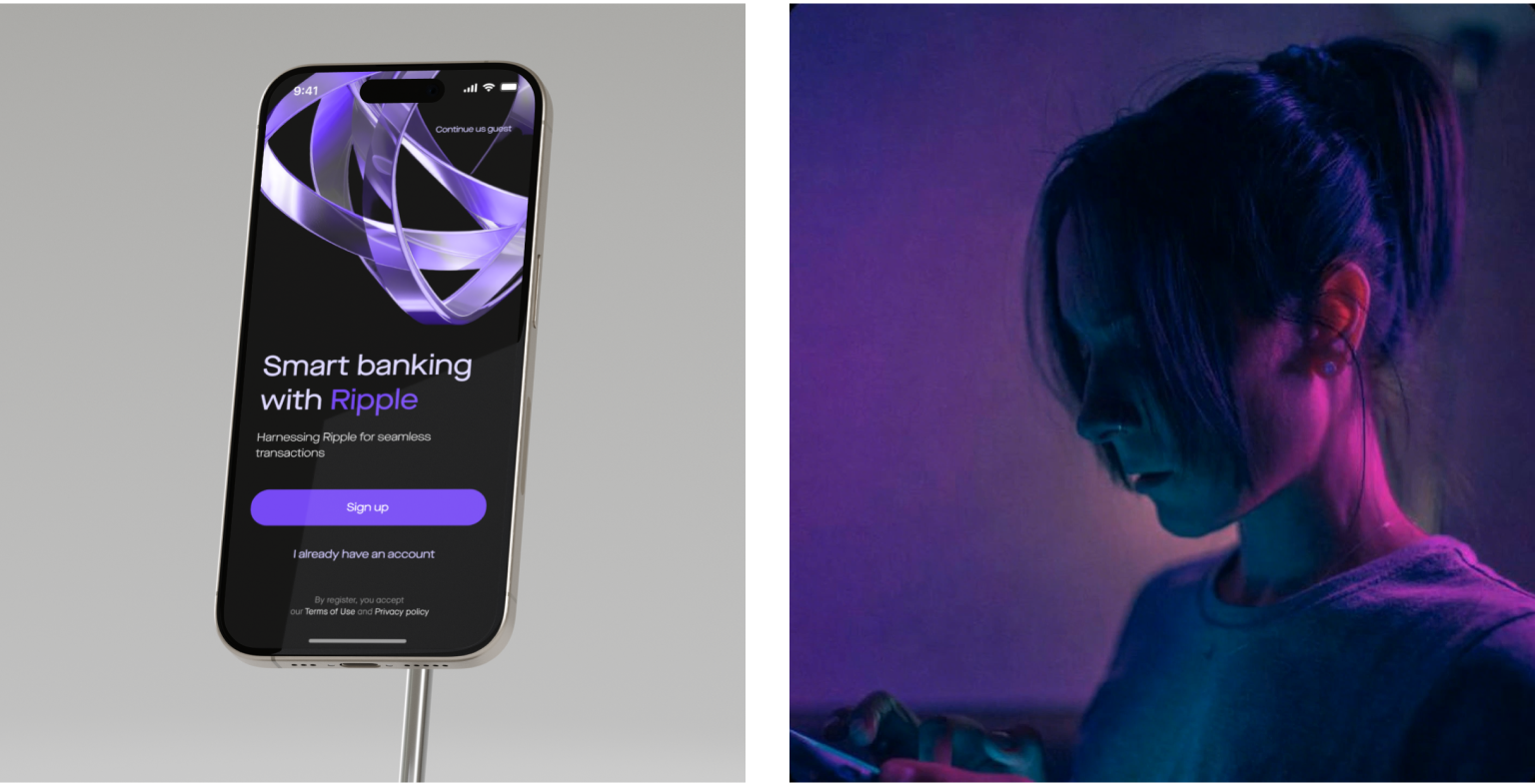
Legible Spending — transactions and insights designed to answer "where did my money go?" at a glance.
A Trustworthy UI — a calm, precise visual language signaling security and competence on every screen.
-2.png&w=1920&q=75)
Balances and recent activity front and center — the financial picture understood the moment the app opens.
-1.png&w=1920&q=75)
Transfers and payments reduced to the fewest steps, with clear confirmation that the money moved.
Even as a concept, we grounded it in how people really use banking apps — focusing on the handful of actions performed over and over, where small friction compounds.
Task analysis — identifying the core jobs (check, send, understand) and where existing patterns slow them down.
Trust-signal study — examining what makes a financial interface feel safe versus shaky, from confirmation patterns to visual restraint.
Pattern benchmarking — reviewing leading banking and fintech apps to find conventions worth keeping and gaps worth challenging.
We explored visual and interaction directions from data-dense to radically simplified, testing each against one feeling: does this make money feel under control? The direction we pushed strips away decoration in favor of clarity — generous space, confident typography, and a hierarchy that answers the user's first question first.
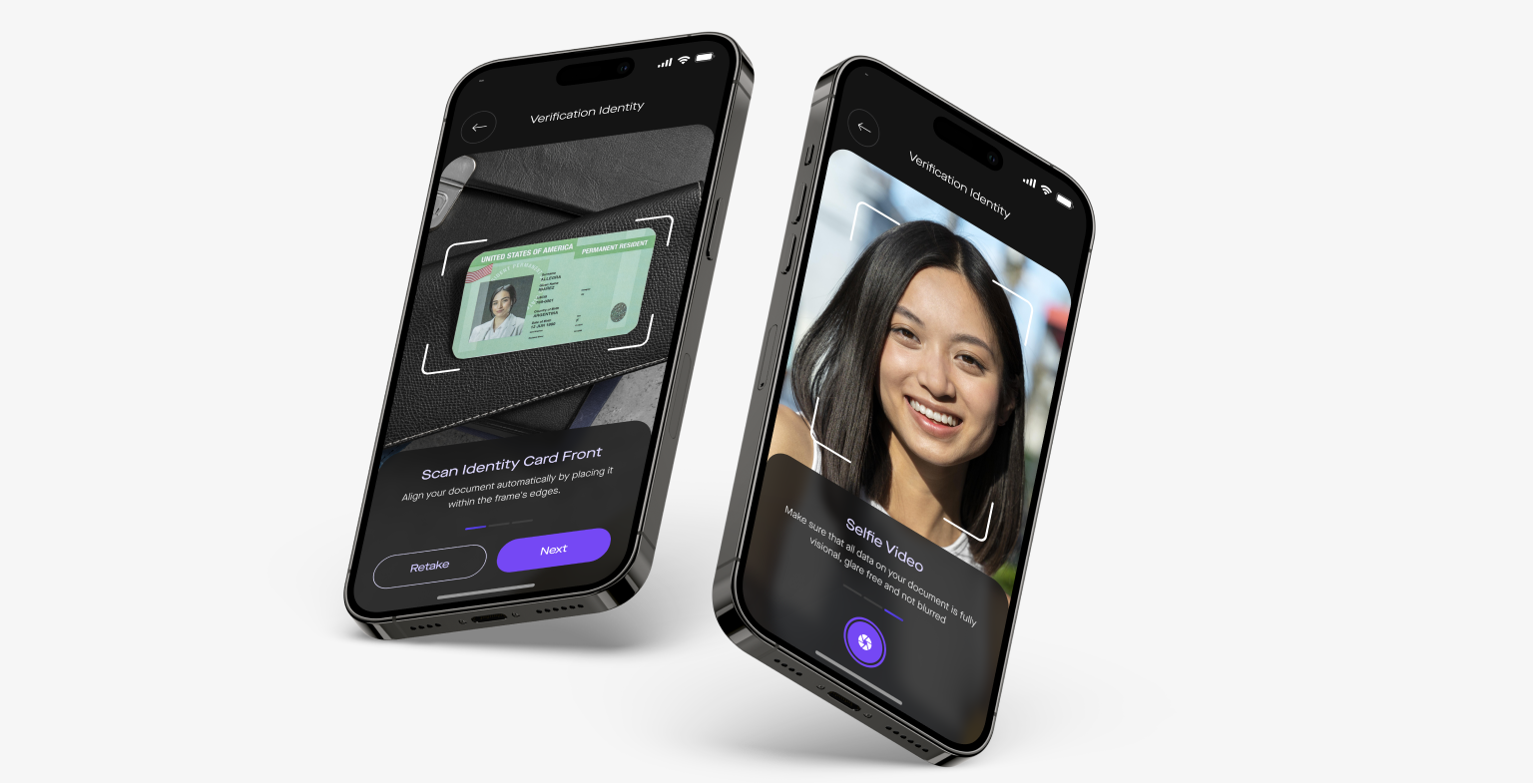
Uncertainty is the worst feeling in a banking app. In the concept, every money-moving action ends in clear, immediate confirmation — state changes, summaries, and language that leave zero doubt the transfer is done. Confidence isn't a flourish here; it's the thesis.
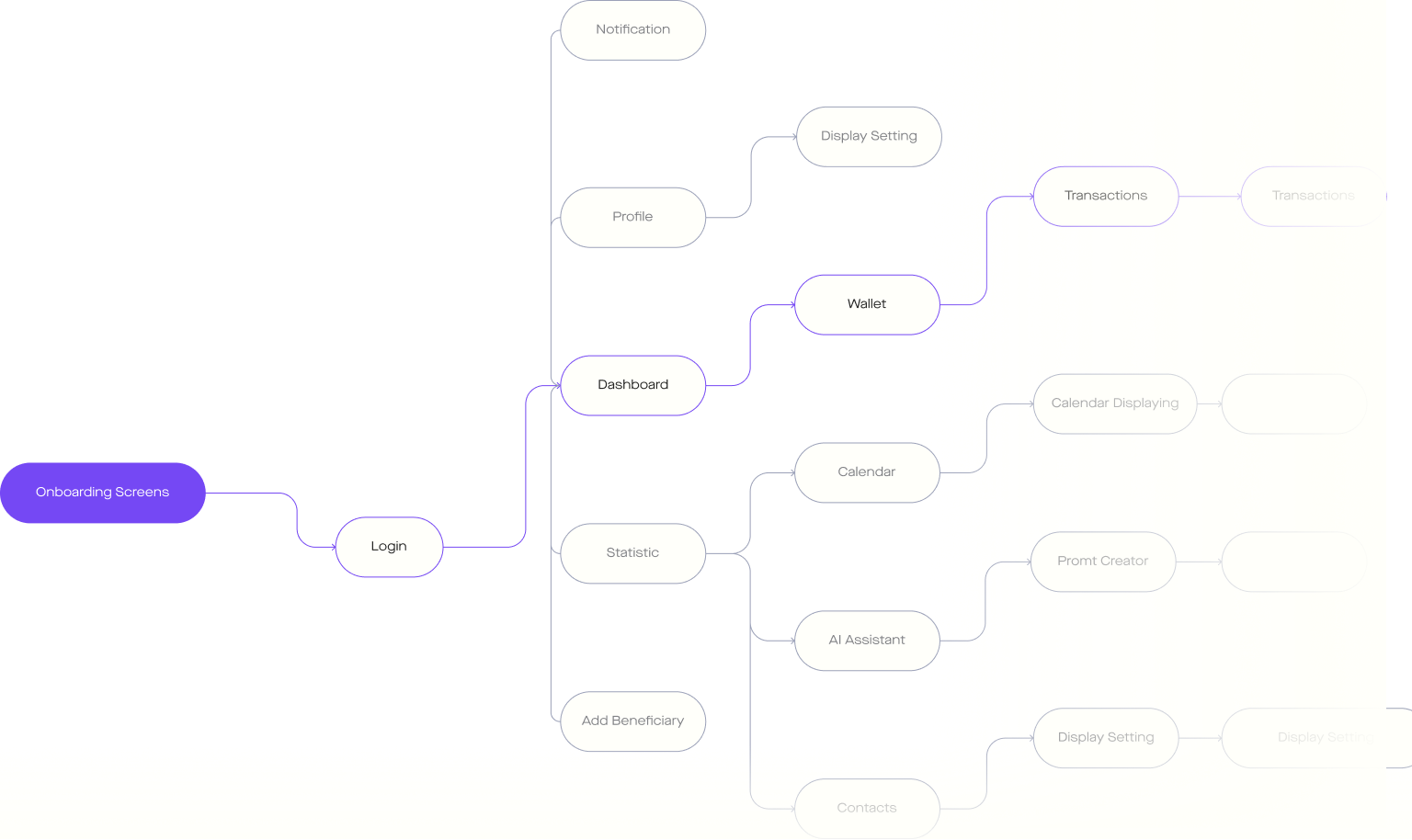
Stripping a banking app risks frustrating people who use its depth. We led with the everyday — balances, transfers, spending — and layered advanced functions one deliberate step beneath. Simple by default, complete on demand.
In this case, Tomo would use real-time cues to choose when to record, balancing battery with context capture.

-2.png&w=1920&q=75)
We could use icons to represent moments without visual captures, and pull context from other sources, like LinkedIn headshots for coffee chats.
-2.png&w=1920&q=75)
We could use a notification to let users know why Tomo is recording.
This Ripple redesign is a concept: our own vision for what a calmer, clearer banking app could be. There's no client brief and no live metrics behind it — and that's the point. It's where we get to show, without constraints, how Mara approaches fintech: research the repeated moment, design for confidence, and let clarity do the heavy lifting.
If you're building a financial product and this way of thinking resonates, that's exactly the conversation this concept is meant to start.